Read a little. Learn a lot. • Now Mullenweg-free! • Since 2009
☰

Tag: environment

61 posts

Aug222019t

Based on the limited evidence available, chemicals and microbial pathogens associated with microplastics in…

Based on the limited evidence available, chemicals and microbial pathogens associated with microplastics in drinking water pose a low concern for human health. Although there is insufficient information to draw firm conclusions on the toxicity of nanoparticles, no reliable information suggests it is a concern.

— A passage from a World Health Organization report that finds that microplastics—think the tiny beads used in facial scrubs or toothpastes—may not be as dangerous as originally thought. Such plastics have been a cause for concern in recent years. However, we’re not out of the woods yet—WHO emphasizes that more research is needed—but the organization says the energy spent worrying about microplastics in drinking water would be better spent focusing on removing bacteria and viruses from water.
Posted by Ernie Smith • Permalink

Aug202019t

Canada's election watchdog: ads saying climate change is real may break law

mostlysignssomeportents:

The BBC reports that Canada’s election watchdog claims that advertisements saying climate change is real may break the law, because it is a political opinion and “issue” advertising is partisan political activity.

Canada has strict regulations on partisan advertising during the election period, whether they be from candidates, parties or third-party organisations. … Keith Brooks, programme director for advocacy group Environmental Defence, says Elections Canada told him that because one candidate denies that climate change is an issue, any ad urging action on climate change, or calling climate change an emergency, could be considered partisan. … Mr Cornish says it is “absolutely ludicrous” that charities are barred from advocacy work on climate change during the election just because one of the party’s platforms denies it is an issue.

“We’re talking here about someone’s opinion overruling scientific consensus around the need to adapt to climate change,” he said.

https://boingboing.net/2019/08/20/canadas-election-watchdog-a.html

Obviously the solution here is to use footage of glaciers and show them shrinking over the span of decades. If the politicians can’t say it, maybe nature can.

Posted by Ernie Smith • Permalink

Aug152019t

Wealthier people produce more carbon pollution — even the "green" ones

oldmanyellsatcloud:

yayfeminism:

“Individuals with high pro-environmental self-identity intend to behave in an ecologically responsible way, but they typically emphasize actions that have relatively small ecological benefits.””

“Study after study finds that the primary determinant of a person’s actual ecological footprint is income. After that is geography (rural versus urban), various socioeconomic indicators (age, education level, etc.), and household size. Self-identification as “green” is toward the bottom of the list, with mostly marginal effects.“

Emotionally rewarding low-effort behaviors vs drastically effective difficult behaviors are favored by those of wealth and means? Shock!

It’s hard to shrink your carbon footprint in any meaningful way when you’re already wearing a Size 23 shoe.

Posted by Ernie Smith • Permalink

Tags for this post

Jan312014t

Message from Mexico: U.S. Is Polluting Water It May Someday Need to Drink

Interesting report on how Mexico is drilling for drinking water that the U.S. thinks is so difficult to attain that it allows companies to pollute it:

U.S. environmental regulators have long assumed that reservoirs located thousands of feet underground will be too expensive to tap. So even as population increases, temperatures rise, and traditional water supplies dry up, American scientists and policy-makers often exempt these deep aquifers from clean water protections and allow energy and mining companies to inject pollutants directly into them.

As ProPublica has reported in an ongoing investigation about America’s management of its underground water, the U.S. Environmental Protection Agency has issued more than 1,500 permits for companies to pollute such aquifers in some of the driest regions. Frequently, the reason was that the water lies too deep to be worth protecting.

But Mexico City’s plans to tap its newly discovered aquifer suggest that America is poisoning wells it might need in the future.

Posted by Ernie Smith • Permalink

Nov182013t

Vibriosis includes “Vibrio vulnificus,” the bacteria commonly dubbed “flesh-eating.” It’s rare but tends to…

Vibriosis includes “Vibrio vulnificus,” the bacteria commonly dubbed “flesh-eating.” It’s rare but tends to be underreported, the CDC says on its website. The CDC data on vibriosis includes all vibrio species except cholera, so it’s unclear how much of the increase in the past five years is due to infection by the flesh-eating bacteria that can cause death. One researcher who studies Vibrio vulnificus found it highly concentrated in tar balls that appeared along the Gulf Coast after the 2010 BP Deepwater Horizon oil spill. Covadonga Arias, a professor of microbial genomics at Auburn University in Alabama, found that Vibrio vulnificus was 10 times higher in tar balls than in sand and up to 10 times higher than in seawater.

— Study: Tar balls found in Gulf teeming with ‘flesh-eating’ bacteria - Houston Chronicle

Posted by Patrick deHahn • Permalink

Nov132013t

Chevron running out of options in Ecuador pollution ruling

  • 2011 A judge in Ecuador ordered Chevron to pay $8.6 billion in damages, for extensive pollution in the Amazon rainforest; a total that later jumped to $18 billion after the company failed to issue a mandated public apology. Chevron representatives have repeatedly denied the charges, and challenged the legitimacy of the original ruling.
  • 2013 Ecuador’s National Court of Justice, the country’s highest court, has upheld the original verdict, but halved the total fine being levied against Chevron. A Chevron spokesperson has already called the decision “illegitimate and inapplicable”, and the company continues to pursue nullification of the fine with various international tribunals. The company has also filed suit against the U.S. attorney who represented Ecuador.

Posted by Scott Craft • Permalink

Sep222013t

Study: Earth suitable for life for at least another 1.75 billion years

breakingnews:

Study: Earth suitable for life for at least another 1.75 billion years

Live Science: A new study conducted by scientists in the UK concludes that Earth should be suited for life for at least another 1.75 billion years.

A nuclear holocaust or a rogue asteroid are among the potential disasters that could prevent Earth being habitable for that long.

If one of those scenarios doesn’t occur, between 1.75 billion and 3.25 billion years from now, Earth will travel out of the habitable zone of the solar system and move too close to the sun, causing Earth’s oceans to evaporate.

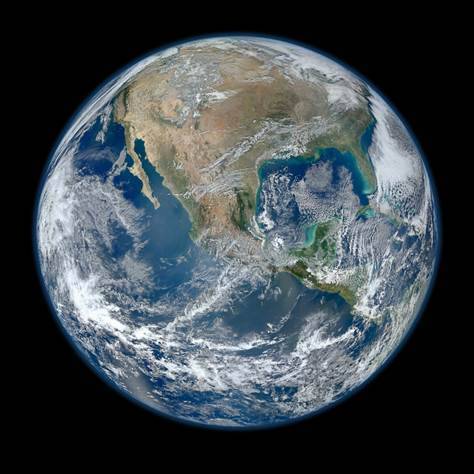
Photo: This composite image uses a number of swaths of the Earth’s surface taken in January 2012. (NASA/NOAA/GSFC/Suomi NPP/VIIRS/Norman Kuring)

This is a huge relief! We’d been walking around thinking we only had another 1.5 billion or so.

Posted by ShortFormBlog • Permalink

Sep152013t

What’s Worse Than an Oil Spill? A Molasses Spill

theatlantic:

What’s Worse Than an Oil Spill? A Molasses Spill

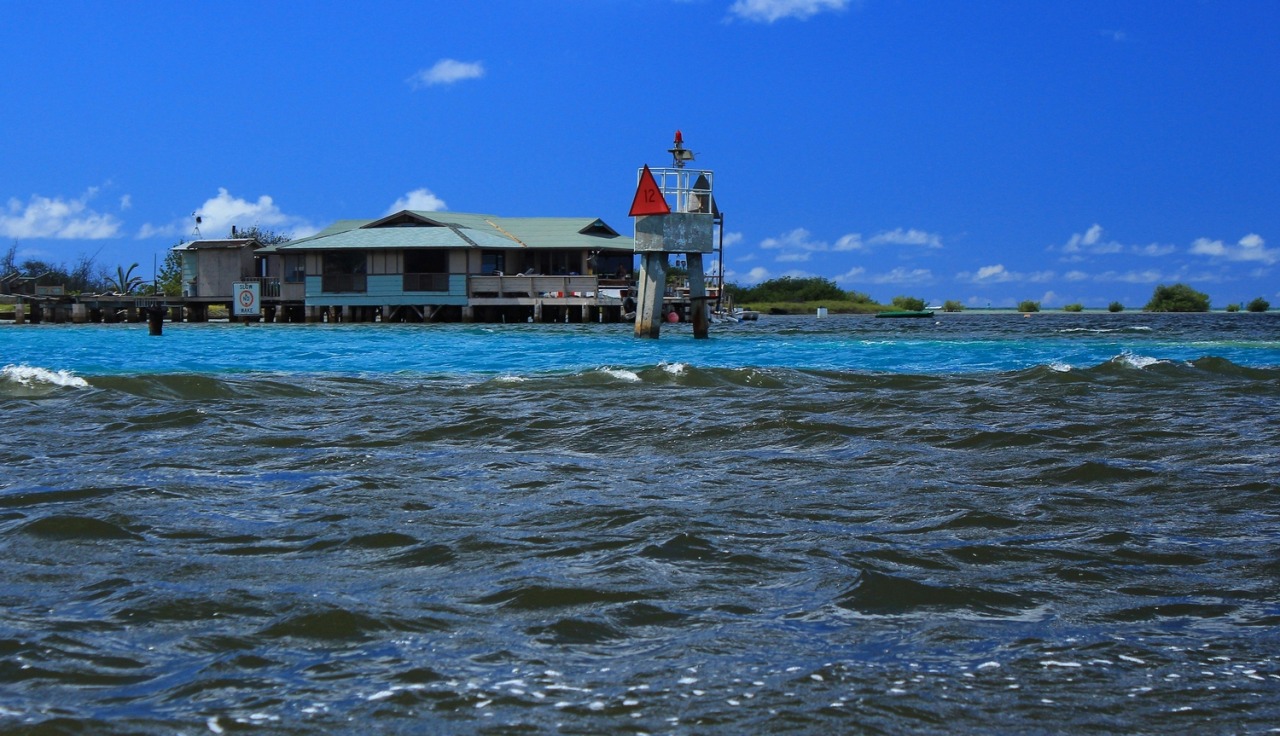
Thousands of fish — gasping desperately, then floating lifelessly — surfaced in Honolulu Harbor this week, suffering from oxygen deprivation caused by a massive molasses spill. This strange case of sugary suffocation was brought on by the Matson Shipping Company, which was loading one of its vessels with 1,600 tons of molasses through a pipeline in the harbor early Monday morning when a leak sprung. Matson reported that up to 1,400 tons of the sludgy syrup may have escaped into the harbor and nearby Ke’ehi Lagoon.

There is no way to clean up a molasses spill. “It’s sunk to the bottom of the harbor,” Matson spokesman Jeff Hull told the L.A. Times on Wednesday. There, the molasses has displaced the oxygen-containing seawater that thousands of marine organisms rely on to breathe.

Read more. [Image: Elizabeth Miles]

And now from the wide world of discouraging environmental news, with dire reprecussions for the marine life caught up in the harbor’s new molassesy depths. At present, the planned solution is simply doing nothing — as the deputy director of Hawaii’s Department of Health said, to “let nature take its course.”

Posted by ShortFormBlog • Permalink

Jan312013t

It's not always a good thing when fictional products make the jump into reality...

  • 1987 The classic comedy Spaceballs features a scene with President Skroob (Mel Brooks) enjoying a fresh can of “Perri-Air” from his private stash.
  • 2013 A Chinese millionaire, inspired by last week’s smog epidemic, is selling fresh (and scented!) canned air in an effort to draw attention to environmental issues in China. (h/t to Geekologie)

Posted by Scott Craft • Permalink