Riots. Towns gone dry. Soaring prices. Crushing starvation. If this sounds like fear-mongering from scientists, talk to the farmers
Read away. It’s important.
 ShortFormBlogRead a little. Learn a lot. • Now Mullenweg-free! • Since 2009
17 posts
Riots. Towns gone dry. Soaring prices. Crushing starvation. If this sounds like fear-mongering from scientists, talk to the farmers
Read away. It’s important.
Posted by Patrick deHahn • Permalink
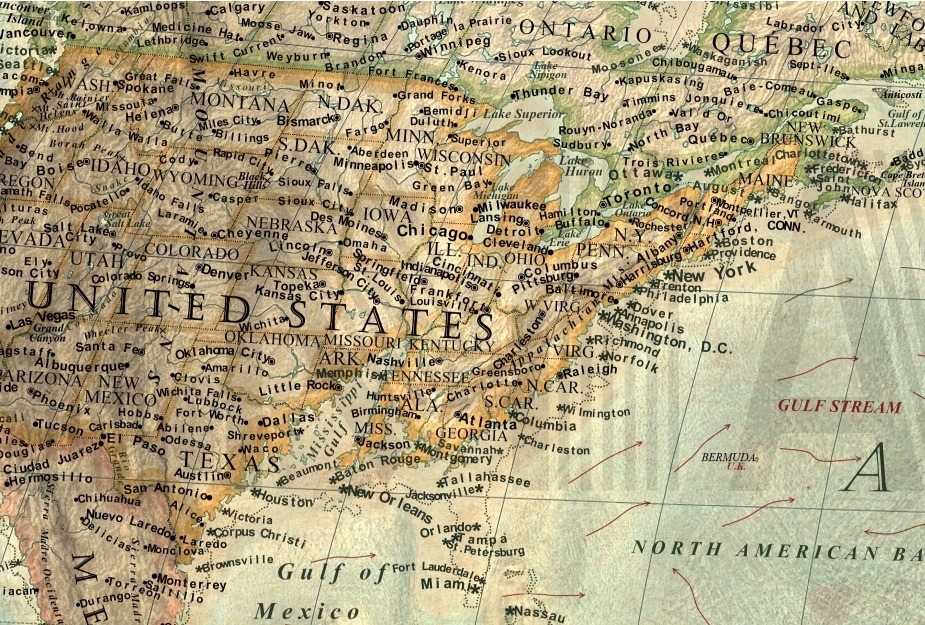
This is what the East Coast of the United States could look like in a few hundred years, according to a graphic artist who put together a map of the world after 260 feet of sea rise. Go see what your region of the world would look like - Another writer and artist put together images of what your city would look like if it were drowned.
Posted by Patrick deHahn • Permalink
We usually don’t call something ‘life threatening.’ But yes, we want people to know that this is very much a life-threatening event.
— Ken Simosko, meteorologist from Bismarck, North Dakota • Commenting on the intense so-called “polar vortex” reportedly working its way down through the US, funneling freezing North Pole air as far south as the Gulf Coast. Areas in North Dakota and Minnesota are forecasted to sustain a ghoulish wind chill of around minus 50 degrees Fahrenheit, which is, as Simosko emphasized, a dire condition for public health — such temperatures could, he said, cause the onset of frostbite in a mere five minutes. If you’re in the throes of this awful cold tonight, tomorrow, or going into the future, especially throughout the northeast and midwest, please take every precaution to keep yourself safe from the elements. source
Posted by Chris Tognotti • Permalink
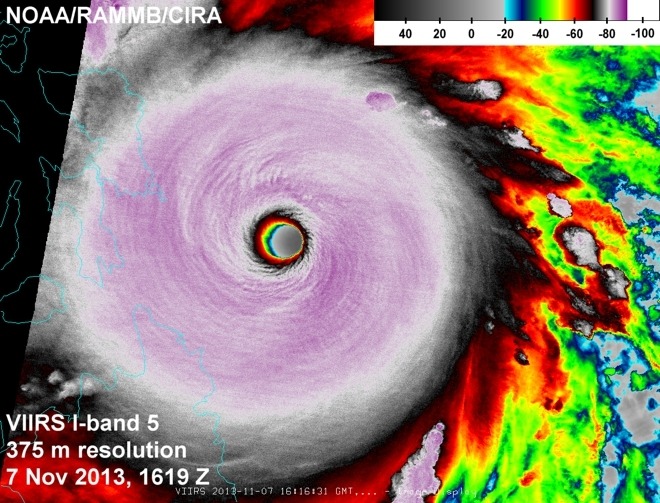
What’s the connection between Super Typhoon Haiyan and climate change? Despite the conflicting headlines connecting climate change to massive storms, the science really is unclear. And this is a problem that science writers need to be clear about. Tom Yulsman of Discover Magazine rounds up some very controversial and frankly terribly dishonest headlines about climate change and typhoons. Check it out if you have a chance.
Very, very interesting. “There are, in fact, conflicting reports about Haiyan’s strength at landfall. Remote sensing by satellites indicated peak wind speeds of 190 to 195 miles per hour, prompting Jeff Masters, director of Meteorology at Weather Underground, to say it was the ‘strongest tropical cyclone on record to make landfall in world history.’ Meanwhile, the Philippine Atmospheric, Geophysical and Astronomical Services Administration pegged the storm’s peak gusts at 171 miles per hour.”
Posted by Patrick deHahn • Permalink
Posted by Chris Tognotti • Permalink
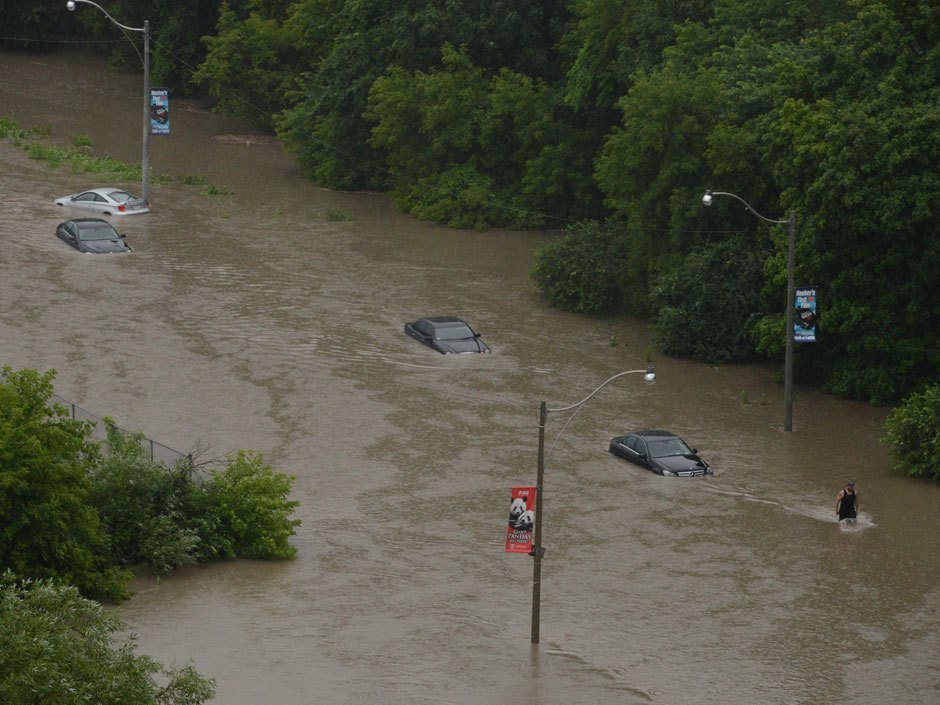
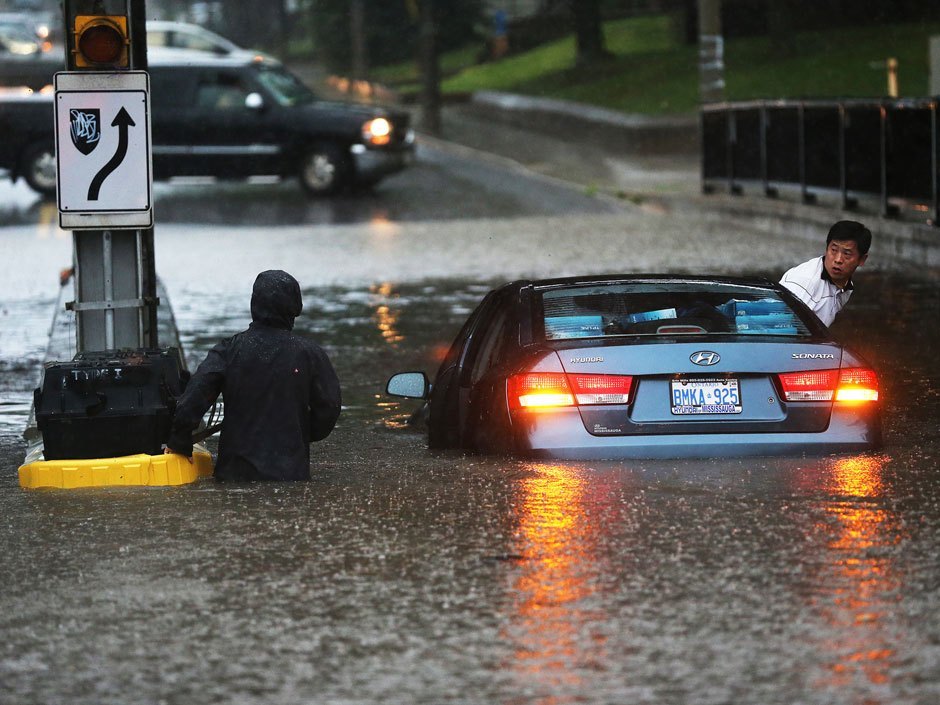
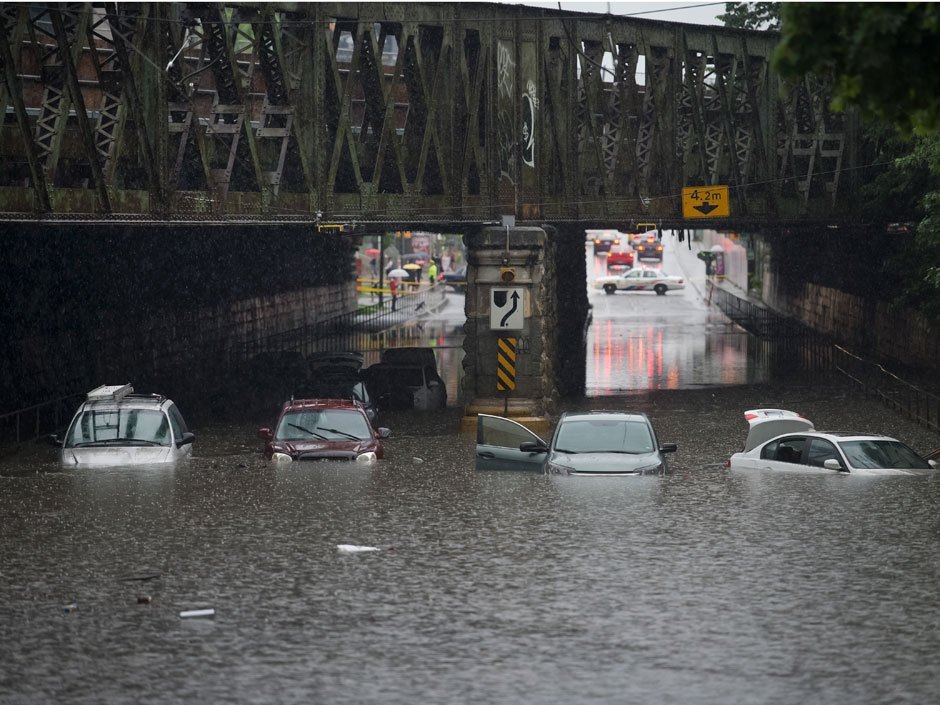
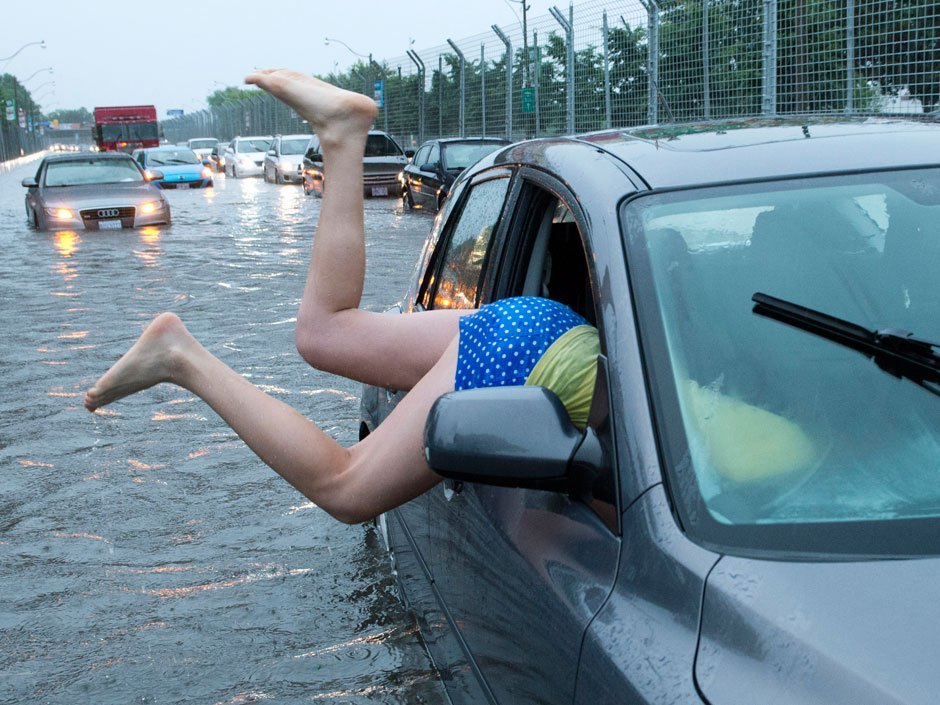
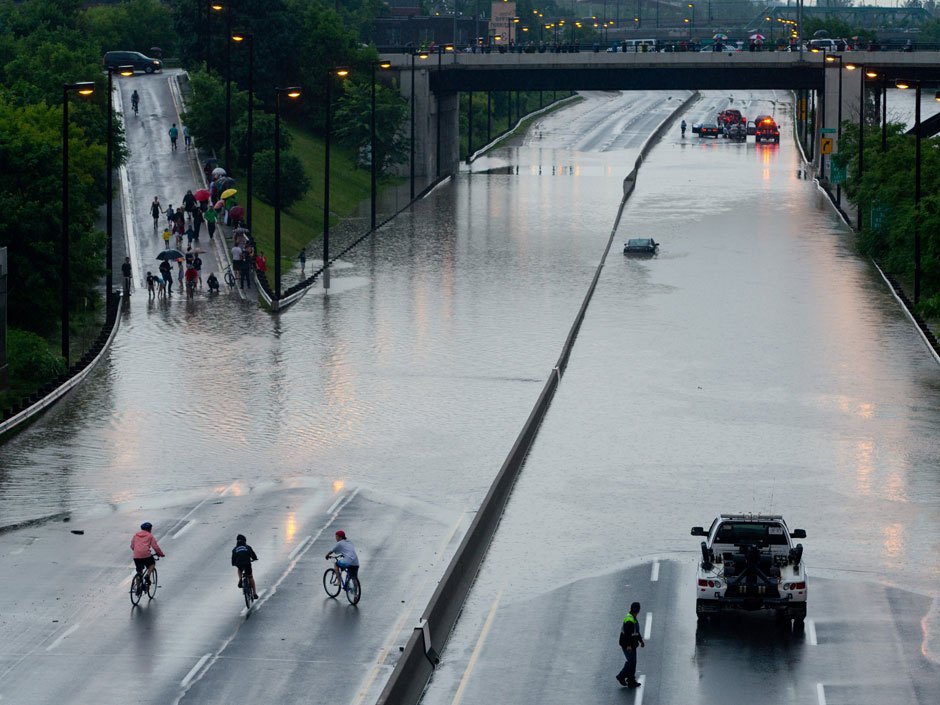
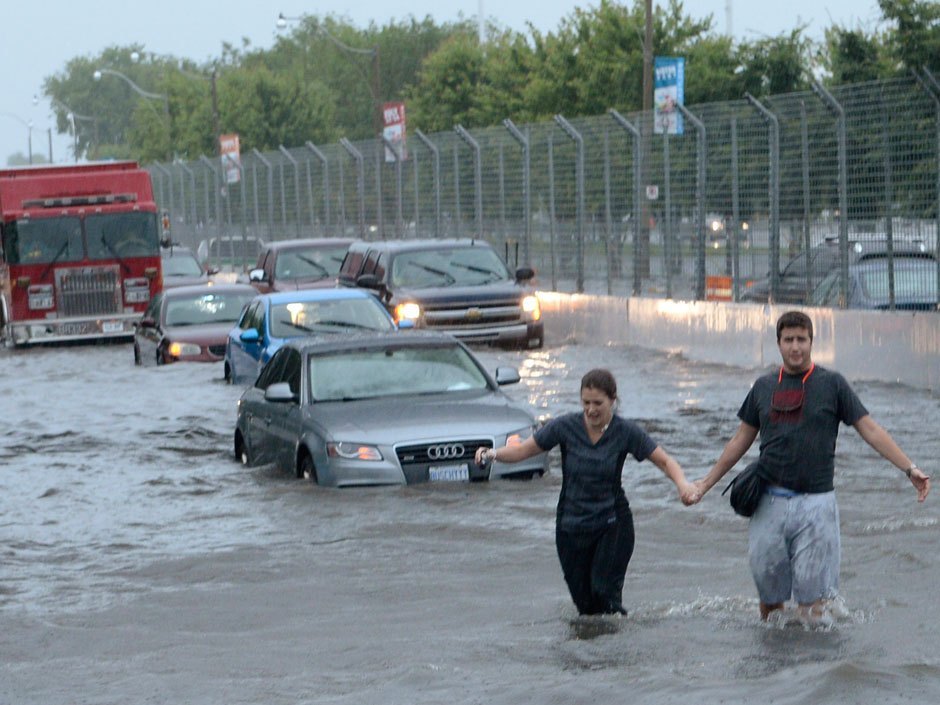
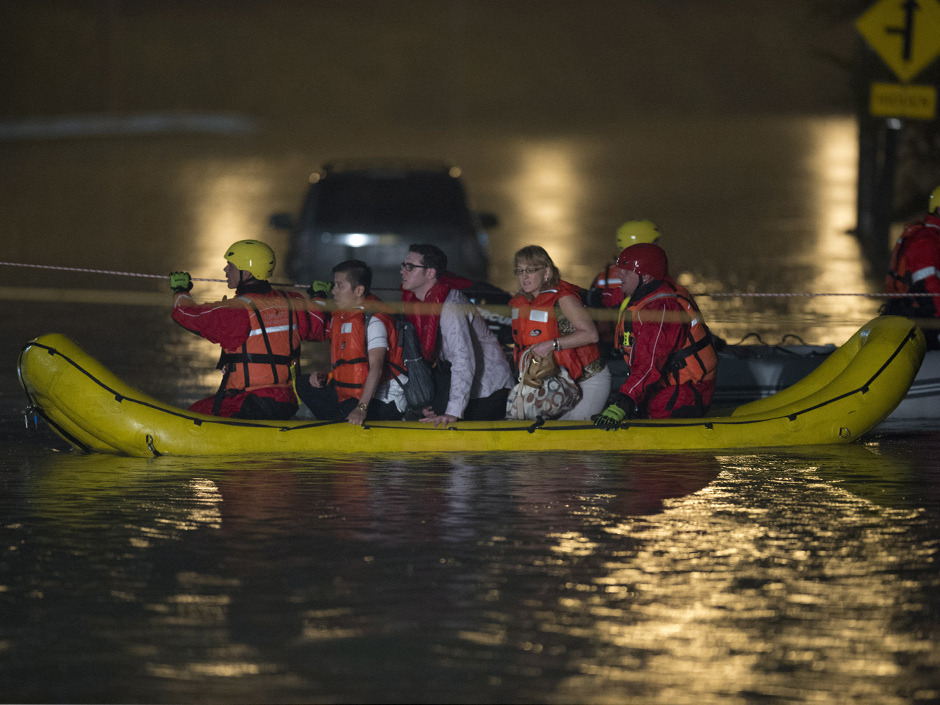
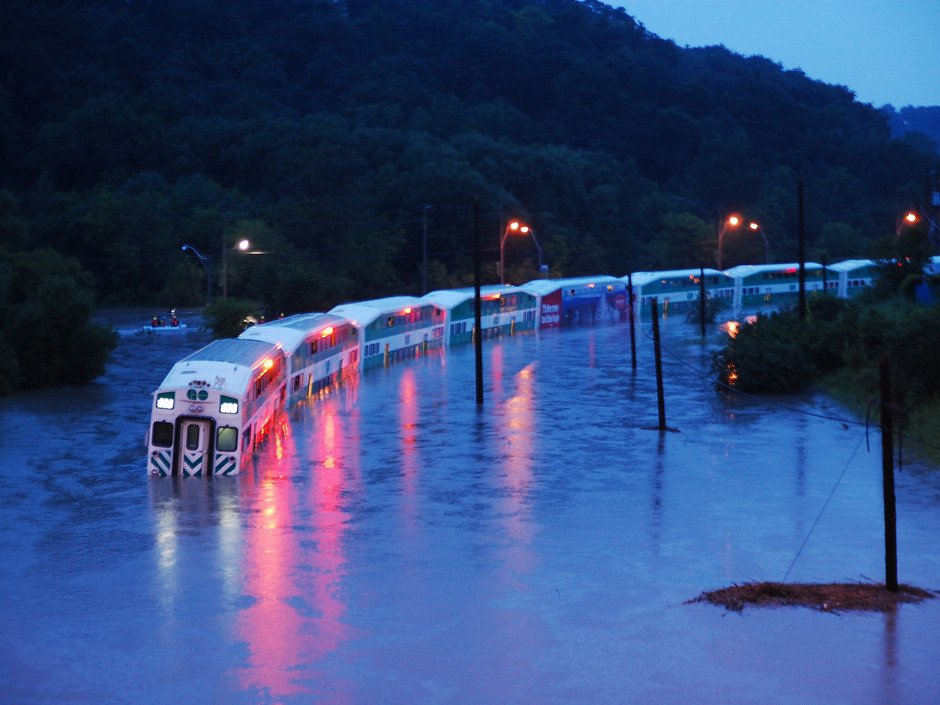
Record-breaking Toronto storm drops 126mm of rain, causing blackouts, flooding and transit chaos
Monday evening’s record-breaking rainfall continues to wreak havoc on Toronto’s morning commute with subway and GO train delays, road closures, and power outages in the west end of the city Tuesday.By midnight Pearson airport had officially seen 126 mm, a single-day record for Toronto. The previous single-day record for rainfall was set at 121.4 mm in 1954. The average rainfall for the entire month of July in Toronto is only 74 mm.
“We had 90 millimetres of rain within an hour and a half at the airport,” said Peter Kimbell, a meteorologist at Environment Canada, who said the storm ranked among the most intense rainfalls the city has ever seen.
Photos: Tony Hicks for National Post; Tyler Anderson/National Post; Michelle Siu for National Post; Peter J. Thompson/National Post; THE CANADIAN PRESS/Winston Neutel; THE CANADIAN PRESS/Frank Gunn
Some 70,000 have been left without power since the deluge hit, with Mayor Rob Ford urging reduced electricity consumption, saying Toronto’s hydroelectric system is “hanging on by a thread right now.”
Posted by ShortFormBlog • Permalink
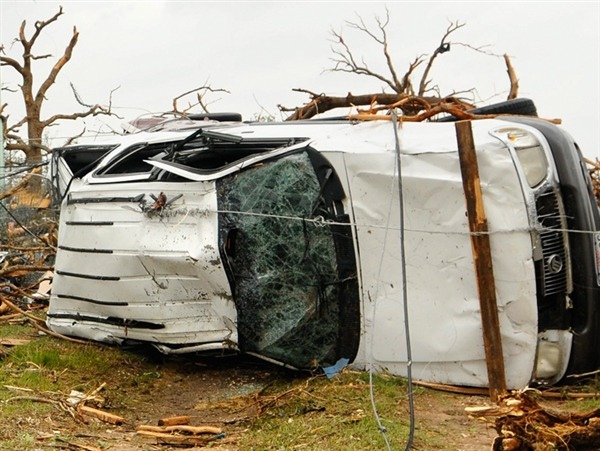
‘I couldn’t stop screaming’: Witnesses describe Texas tornadoes
(Photo: Ralph Lauer / EPA)
Survivors of the tornadoes that devastated two towns in Texas on Wednesday night described their terror as the violent storm tore apart their homes, killing six people and injuring dozens more.
The spate of extreme, hazardous weather we’ve seen over the last year or so has been truly disturbing, which is not to say the people of Texas aren’t in the know about tornado threats. Regardless, though, the damage and human toll here is deflating. Our thoughts are with the victims, stripped of their homes, and for some, their lives.
Posted by ShortFormBlog • Permalink
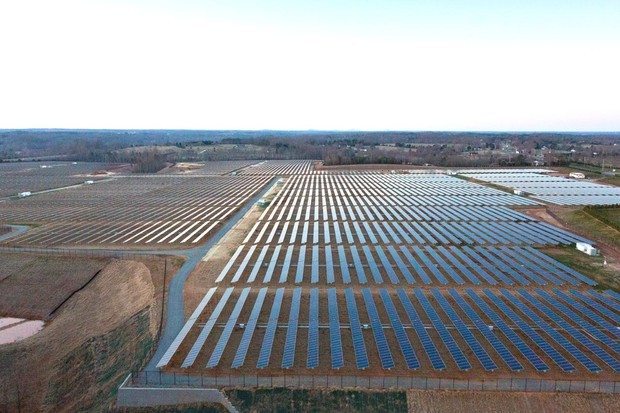
Apple’s data centers now use 100% renewable energy, including solar, wind and geothermal energy — the company no longer powers any of its operations with coal or other fossil fuels. In fact, last December, Apple powered up a 100-acre solar farm adjacent to a North Carolina data center. Using fuel cells made by Bloom Energy Corp., which generates energy from biogases, Apple is able to generate 60% of all the energy it needs to run the data center onsite. Read more about it from Bloomberg, here.
The news can be harrowing these days for environmental advocates working on climate change issues, of which this is obviously a thoroughly tiny aspect. This stuff is important enough, though, that even modest good news and developments should keep making the rounds.
Posted by ShortFormBlog • Permalink
Posted by Chris Tognotti • Permalink
Now is not the time to gut these new job-creating innovations… today, no area holds more promise than our investments in American energy. After years of talking about it, we’re poised to finally control our own energy future. …But for the sake of our children, we must do more to combat climate change.
— President Obama, segueing from praising increases in American oil and gas production, to speaking more solmenly of the dangers of climate change. Obama cited the recent glut of hottest years on record, and referenced numerous, unusually forceful weather incidents – Superstorm Sandy among them – as reasons he will seek to wield executive power to act on climate reforms, even if congress passes.
Posted by ShortFormBlog • Permalink