The reasoningWikipedia puts logos on its various pages, often recreating them in a vector format in cases where the original is a low-resolution sample. Also, most things acquired by the U.S. government, from logos to photos to numerous other assets are designated public domain. Certain insignias, such as the FBI's, however, are restricted for non-copyright reasons. The conflict This particular logo of the FBI led to Wikipedia's offices getting a letter claiming that "Whoever possesses any insignia …or any colourable imitation thereof..shall be fined … or imprisoned … or both." Considering that the seal is commonly used in other places, this seems like an odd source to attack. source
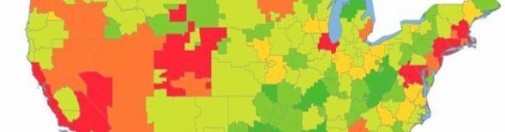
To our friends in D.C, NYC, L.A., Silicon Valley, Chicago and Colorado: You've officially been sucked in by the Apple borg. How's it feel, anyway? source
Word on the street is that the World Health Organization is about to release a report linking long-term cell phone usage to higher levels of certain kinds of cancer. The study recommends restricting – but not banning – usage for children, and perhaps investing in some sort of hands-free setup. Which leads to the question – would you cut back on heavy cell phone usage if you knew it was cancerous? It seems that, unlike cigarettes, they have an essential use, so we couldn't seem them going away. But what do you think? Vote above. source
ISPs who can't cap bandwidth may charge for traffic. With net neutrality looking more and more likely by the day, we may find ourselves returning to the days of paying for traffic based on usage. Consumers don't want it, but companies like Time Warner and Comcast say that the cost of bandwidth, mixed with heavy usage of BitTorrent or popular video sites, may force it. We think that it's probably going to happen, simply because they can't fight the tide of Hulu forever. source
 ShortFormBlog