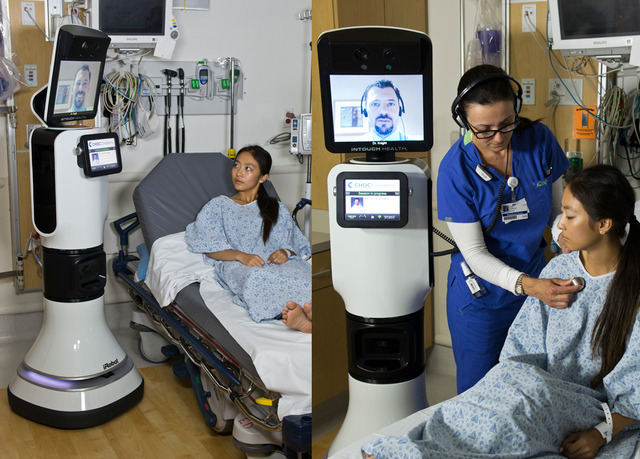
FDA approves first autonomous telemedicine robot for use in hospitals
The robot is ready to diagnose you.
 ShortFormBlogRead a little. Learn a lot. • Now Mullenweg-free! • Since 2009
8 posts
FDA approves first autonomous telemedicine robot for use in hospitals
The robot is ready to diagnose you.
Posted by Ernie Smith • Permalink
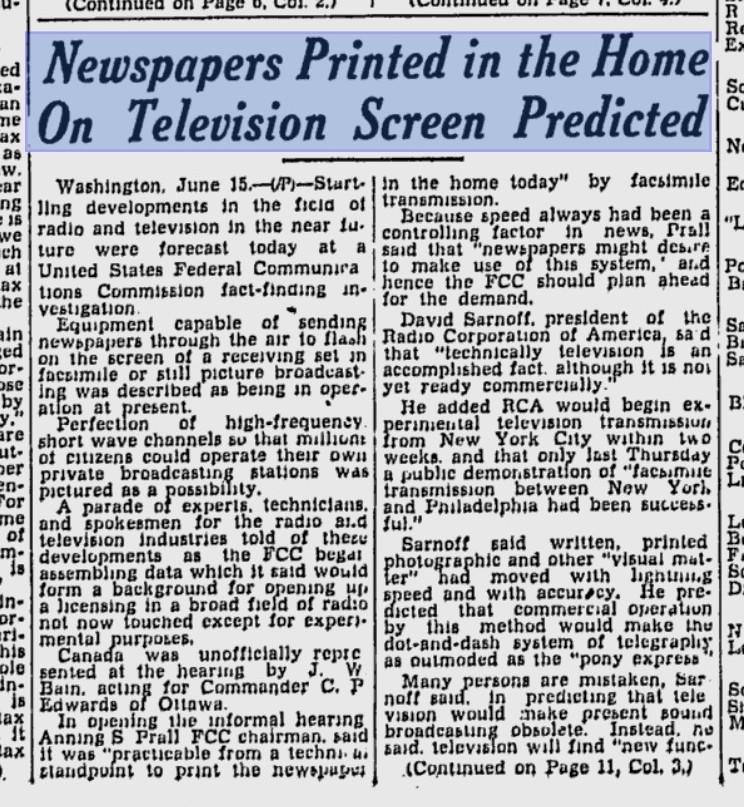
A Jan. 1936 news item.
(No mention of how newspapers make huge amounts of money through these screens.)
Via T.J. Ortenzi via Phil Rosenthal
Ahead of its time by about six decades.
Posted by Ernie Smith • Permalink
Outside Wit’s Inn, someone called up NOLA.com on a smartphone and tried to watch a video of Amoss that had been posted earlier in the day — a video addressed to the paper’s readers, in which Amoss promised the new, smaller news operation’s future might be digital rather than print, but it would be just as bright. The video, however, was not formatted to play on smartphones.
— This story about the layoffs at the Times-Picayune is devastating for way too many reasons. (via maura)
What happens when bean-counters make changes their community isn’t ready for.
Posted by ShortFormBlog • Permalink
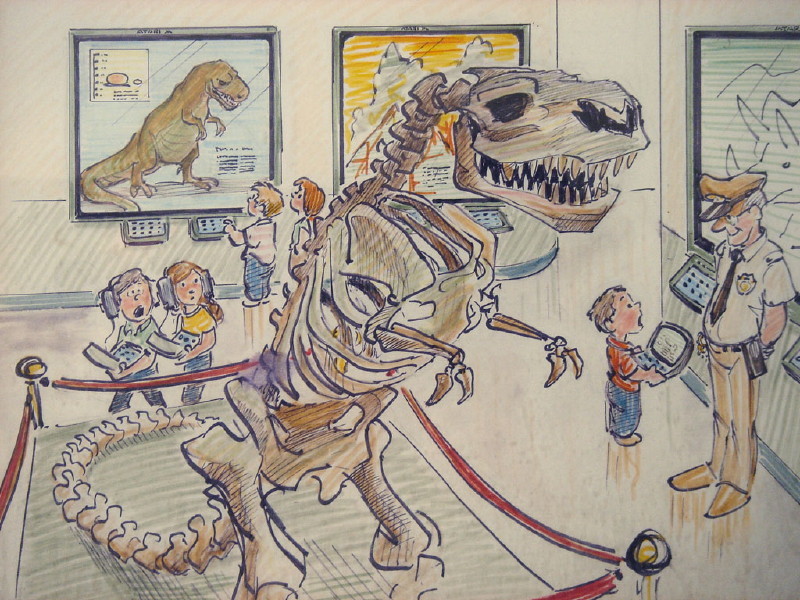
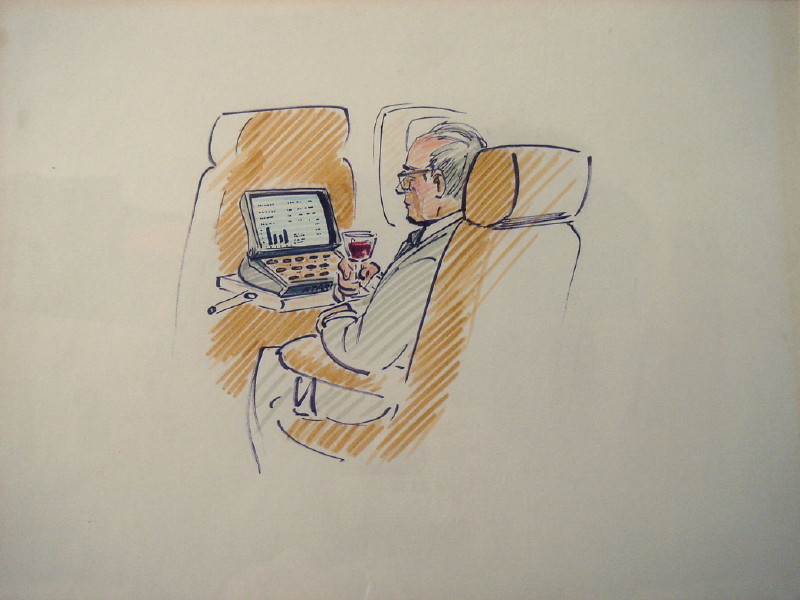
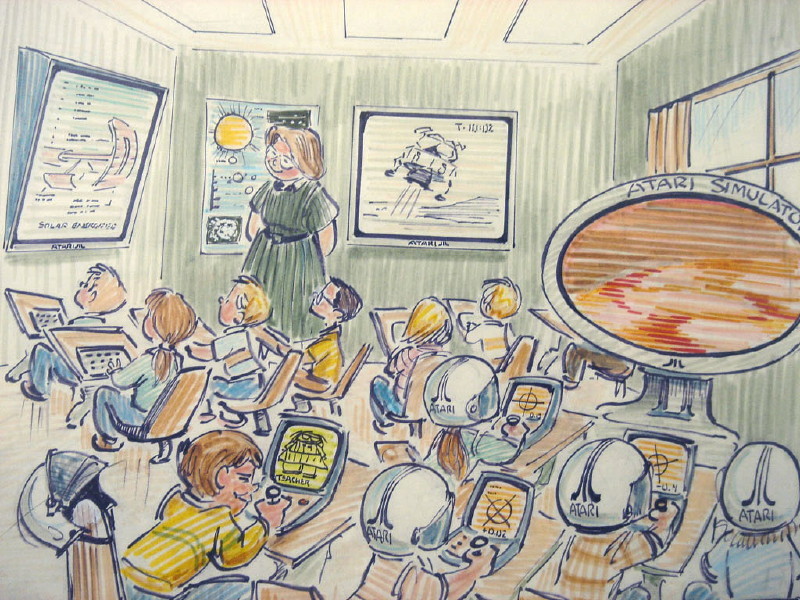
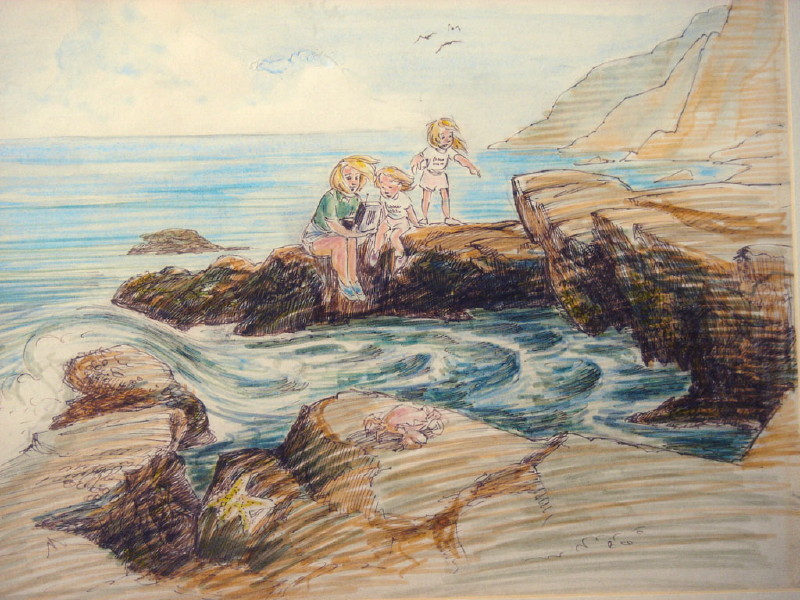
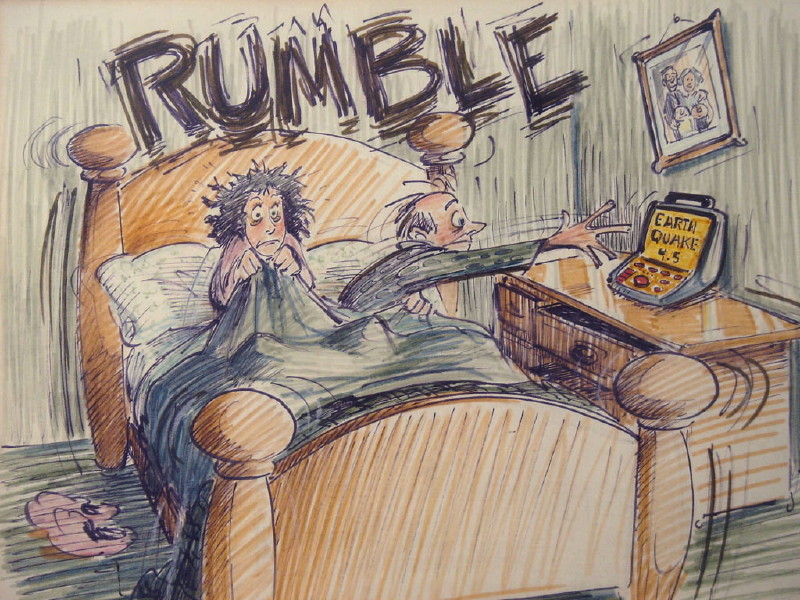
Bob Stein, who worked at Encyclopedia Britannica as well as Atari during its glory days, worked with Alan Kay, along with Disney animator Glenn Keane, on a series of illustrations back in 1982 showing off his idea for an “Intelligent Encyclopedia,” one which can tell you about earthquakes, stocks, and history, all within the palm of your hand. Laptops didn’t look like this for nearly a decade, and the ideas behind the encyclopedia eventually showed up on Wikipedia two decades later. But, really, what Atari was working on was essentially an iPad with a keyboard. “The most interesting thing for me today about these images is that although we foresaw that people would be accessing information wirelessly (notice the little antenna on the device in the "tide pool” image),“ Stein notes, "we completely missed the most important aspect of the network — that it was going to connect people to other people.” Stein’s ideas aren’t a total loss — the guy did essentially invent the multimedia CD-ROM and co-founded The Criterion Collection — but just think if he actually implemented this idea.
Posted by ShortFormBlog • Permalink
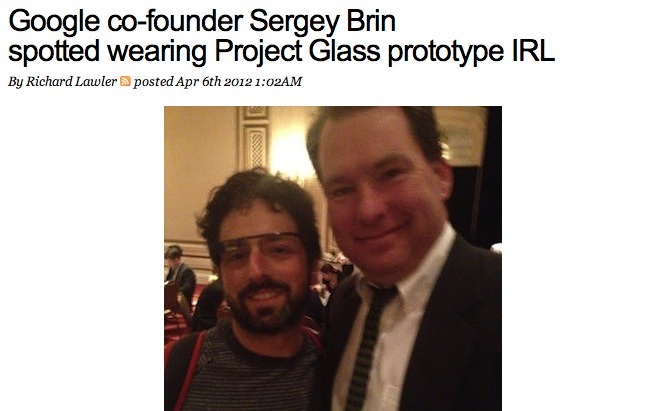
Google co-founder wearing futuristic augmented reality glasses: Ironically, Sergey Brin was wearing the glasses at a charity event for the Foundation Fighting Blindness. Considering the nature of the glasses, we can see why he’d support the cause.
Posted by ShortFormBlog • Permalink
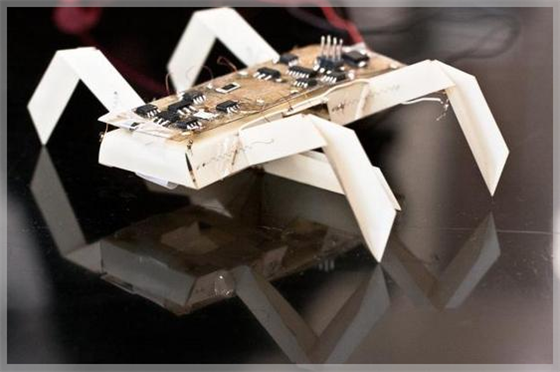
Two words: “Robot Kinko’s.” That’s what a MIT robotics team led by Daniela Rus pitching, and her team just scored a $10 million grant from the National Science Foundation to see if the idea’s feasible or not. Would you go to a store and build your own robot with the help of easy-to-use templates, and pick up the 3D printing a couple days later? Sounds neat, whatever the case may be.
Posted by ShortFormBlog • Permalink
Posted by ShortFormBlog • Permalink
People who constantly reach into a pocket to check a smartphone for bits of information will soon have another option: a pair of Google-made glasses that will be able to stream information to the wearer’s eyeballs in real time.
According to several Google employees familiar with the project who asked not to be named, the glasses will go on sale to the public by the end of the year. These people said they are expected “to cost around the price of current smartphones,” or $250 to $600.
The people familiar with the Google glasses said they would be Android-based, and will include a small screen that will sit a few inches from someone’s eye. They will also have a 3G or 4G data connection and a number of sensors including motion and GPS.
This is gonna be totally aces to use with our self-driving car.
Posted by ShortFormBlog • Permalink