Don’t follow this guy.
 ShortFormBlogRead a little. Learn a lot. • Now Mullenweg-free! • Since 2009
36 posts
Redditors are collecting the blacklisted sites at a freshly minted subreddit, r/BannedDomains. The list so far includes at least five: BusinessWeek.com, Phys.org, ScienceDaily.com,TheAtlantic.com, and GlobalPost.
Redditors are prevented from submitting links to any of the above sites. Instead, they’re greeted with the following message: “this domain has been banned for spamming and/or cheating.”
There’s a bit of backstory here: Jared Keller, a social media editor for The Atlantic, got banned from Reddit a couple months back after heavy posting of Atlantic links, something the community-oriented network frowns upon, but is very tempting due to the high amount of traffic it drives. But why prevent people from even submitting links from such big sites? Well, a Reddit technical staffer Jason Harvey claims that these actions were taken as an absolute last resort.
UPDATE: The bans are temporary, according to Reddit staffer Erik “hueypriest” Martin. (ht Brian Ries)
Posted by ShortFormBlog • Permalink
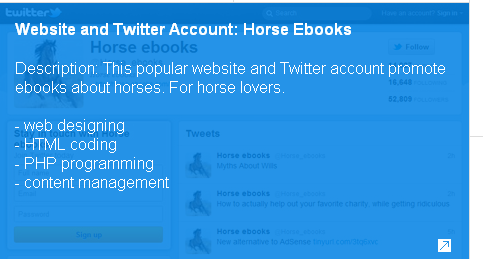
Twitter spam legend touts greatest creation: Alexey Kouznetsov, the creator of majestic automated spam Twitter account @horse_ebooks, has now taken to promoting his creation on his design portfolio site, to the point where his firm’s logo is clearly inspired by the horse avatar the haiku-like Twitter account uses. (via The Atlantic Wire)
Posted by ShortFormBlog • Permalink
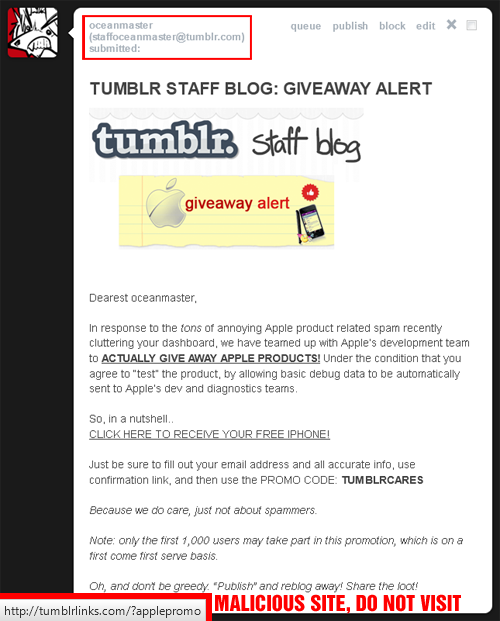
Spammers/phishing bots are always looking for new ways around the system, and this appears to be their latest one. Notice how it appears to have been submitted by my own account, despite the fake email address.
Do not, under any circumstances, click a link that leads to “tumblrlinks.com” - It is straight up malicious and will infect your computer if you don’t have virus protection. If you receive a submission like this, do not publish it. Shoot an email off to [email protected] and let them know.
Hearing word of new kinds of Tumblr phishing attempts going around, including submissions from … yourself. This sounds quite scary. Be careful not to publish things like this when you don’t know the original source.
Posted by ShortFormBlog • Permalink
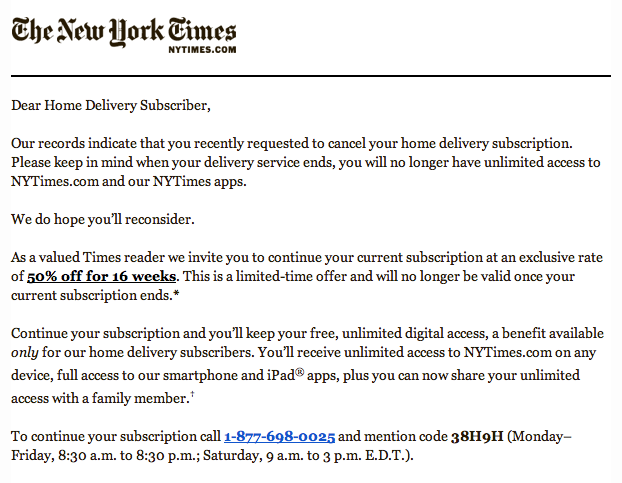
A spam message was sent broadly today with the subject “Important information regarding your subscription.”
— NYTCo Communications (@NYTimesComm) December 28, 2011
The email was not sent from The New York Times.
— NYTCo Communications (@NYTimesComm) December 28, 2011
Posted by ShortFormBlog • Permalink
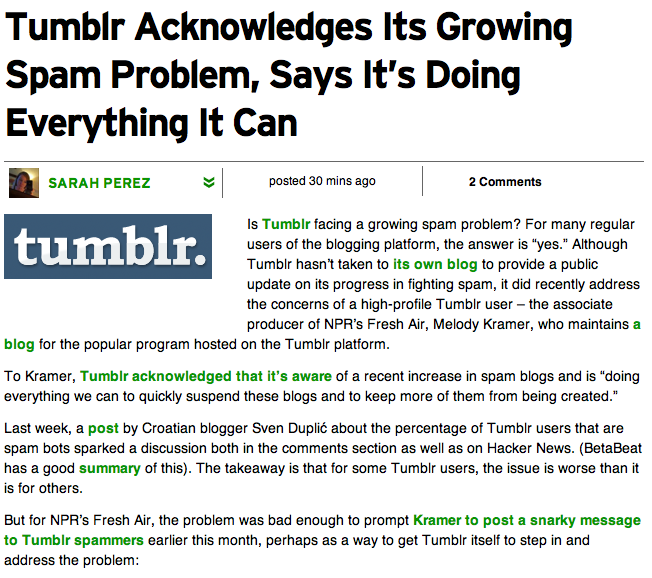
TechCrunch cited our posts in this article on Tumblr spam. (To which we say: Thanks, but wish it was under different circumstances.) From what we’ve heard, Tumblr is making a great push to work on this. We will say this much: We’ve seen much less spam in the past few weeks.
Posted by ShortFormBlog • Permalink
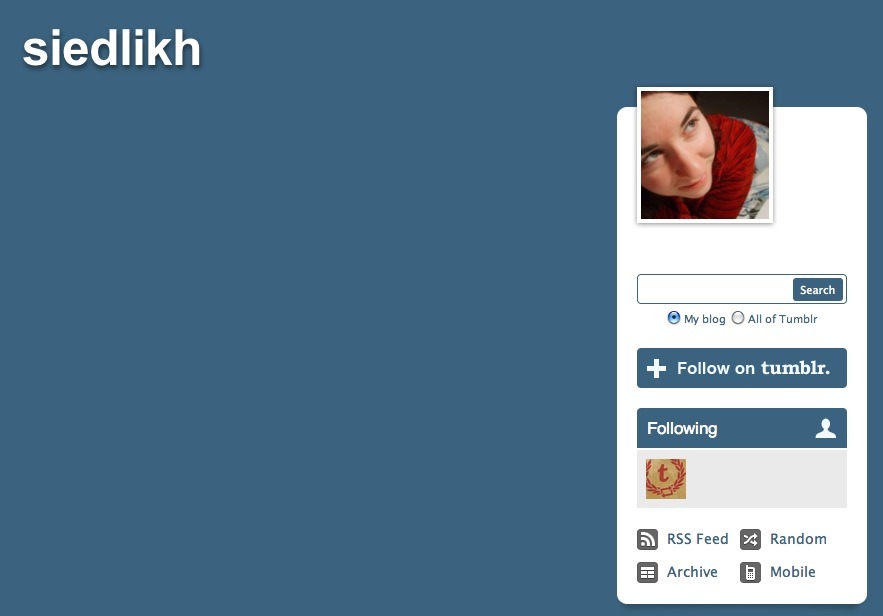
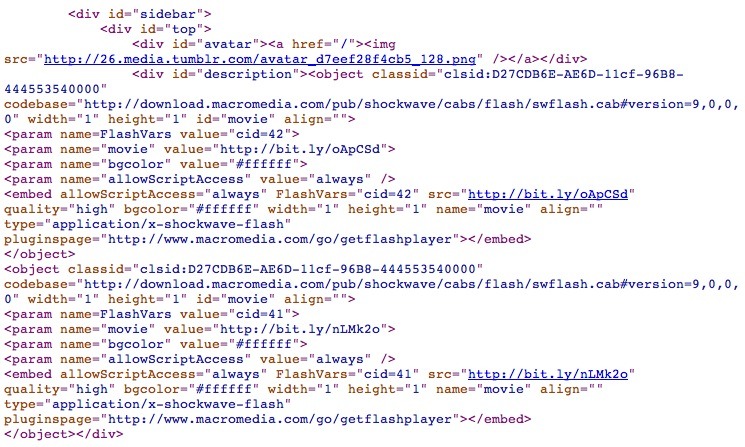
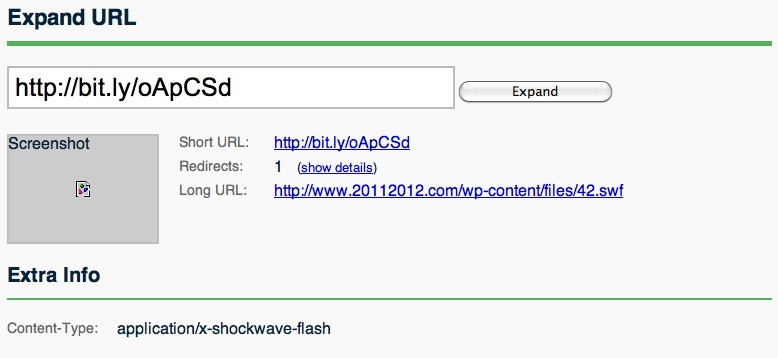
A follow-up to our Tumblr likespam post from last night: One of the things pointed out to us by one of our readers, Paulo Ordoveza, is that the blank profiles also have a payload, although it’s not obvious (we initially said the blank profiles were merely holding spots for future backlinking). We just did a check of the source code on one, and here’s what we found. Click with care, guys.
Posted by ShortFormBlog • Permalink
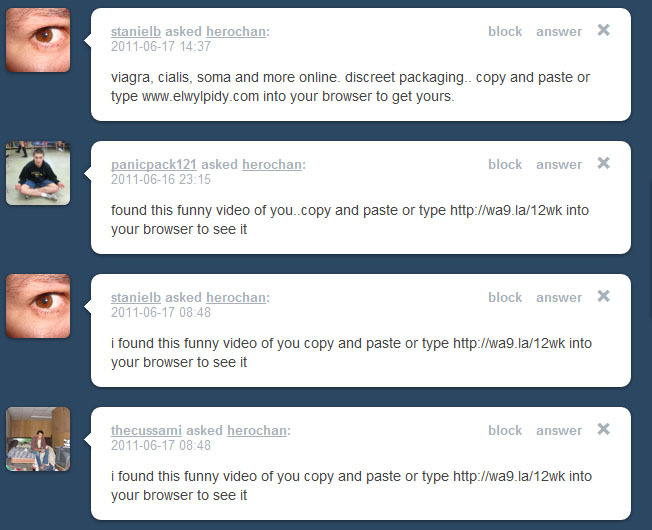
Dear Readers:
Since Tumblr has done nothing to notify users of a massive spam attack, I guess it is up to us blogs to give you a heads up. Basically, not all of the spam is coming from dummy accounts. Much of it is from real people like you who are unaware that they are sending out spam messages. Since you cannot look at your sent messages, this issue is likely to continue.
What you can do:
#1. Change your password. Did you ever give your login and password to a tumblr tag cloud type of page? Well, the by product is that the info can often be stored and sold off.
#2. See #1 again and actually do it.
In the future, it is worth mentioning that you should use much more caution in allowing non-tumblr sites to have access to your Tumblr info. You can also shoot an email to [email protected] is you notice any problems.
Easy solution to this problem, Tumblr: Let us see our sent messages so that we know that we’re hacked. Also it’d be nice as a way to can remember the messages we sent. *hint* One thing we’d like to note is that, while we don’t get many message spam pieces, we do find ourselves getting hundreds of likespam messages each week. We’ve noticed online that there are easy-to-exploit techniques with Tumblr likes for purposes of black hat SEO, and there has to be some sort of way to prevent these. Perhaps put a limit on the number of likes a day? There’s no way a single person could like 100 posts in a single day. EDIT: Actually …
Posted by ShortFormBlog • Permalink
Jeff Atwood, in Trouble In the House of Google:
People whose opinions I respect have all been echoing the same sentiment — Google, the once essential tool, is somehow losing its edge. The spammers, scrapers, and SEO’ed-to-the-hilt content farms are winning.
(via Anil Dash’s nice roundup…
We’ve been meaning to do something with Atwood’s piece for a few days now. It makes a lot of good points about the dilution of content and the dilution of quality on Google. Atwood’s site, Stack Overflow, is one of the worst victims of this type of content dilution, and lots of scummy sites are making cash off his product. Keep an eye on this. This is going to be a big deal in 2011 as things go forward, and Google’s response (or lack thereof) to this issue will change the Web’s structure.
Posted by ShortFormBlog • Permalink
Posted by Seth Millstein • Permalink