Read a little. Learn a lot. • Now Mullenweg-free! • Since 2009
☰

Tag: likespam

5 posts

Nov282011t

So, remember when we did

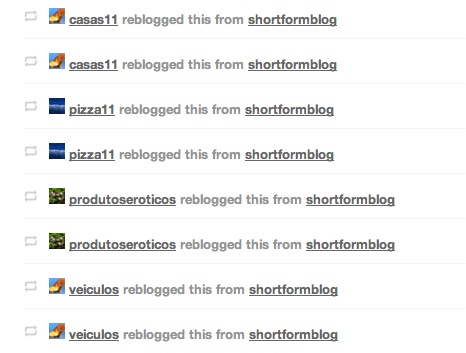
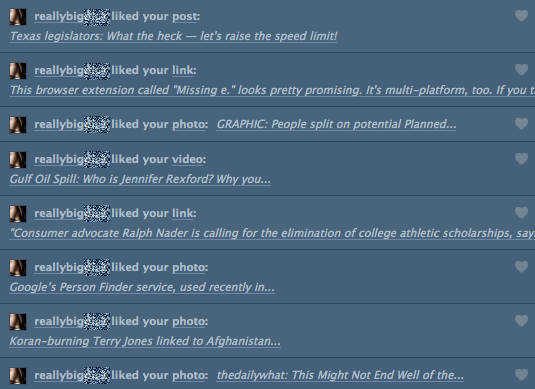
So, remember when we did this article about Tumblr’s massive amount of likespam? A few people might. TechCrunch cited it (and a similar article) on the matter. A couple of other outlets did, too. Here we are, a little more than a month later, and here’s what most of the notes on the article look like. (We suggest you don’t click any of them.) Coincidence? We’re not sure. This, friends, is a long-tail problem Tumblr is facing. The posts you’re putting up today are not the ones getting targeted by spammers (mostly). The ones you put up three months ago are.

Posted by ShortFormBlog • Permalink

Oct192011t

A suggestion for Tumblr

A common black-hat SEO technique

What happens when it gets used

Why you might get tons of Tumblr likespam (and what to do about it)

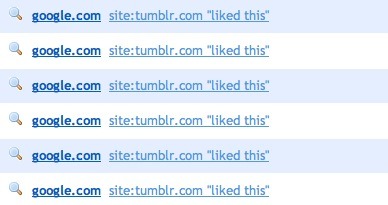
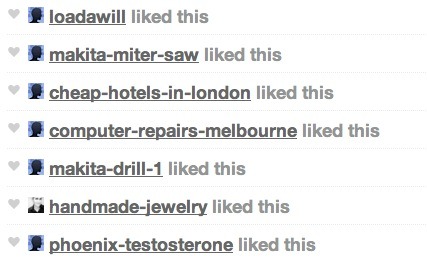
  • A suggestion for Tumblr: Try to figure out a way so spammers can’t use this black-hat SEO (search engine optimization) technique. It’s dead simple to take advantage of, and as a result, some sites (such as our own) often drown in it. Today, for example, we got a ton of fake traffic from bots doing an obscure search on Google (see screenshots). Here’s a quick explanation as to what’s happening, as far as we can see:
  • first Black hat SEO types hit Google and type in this specific phrase — “site:tumblr.com ‘liked this’” — a common phrase on Tumblr due to the way it handles likes.
  • then Then, sketchy bot types will create hundreds or thousands of fake Tumblr accounts whose URLs forward to a sketchy-looking site not on Tumblr.
  • result These sites end up getting hundreds or thousands of backlinks to their sketchy sites on Google — and all they had to do was like tons of people.
  • » But we have a temporary solution: Are you, like us, getting a lot of spam on your Tumblr? This is a likely reason. We’d like to offer a suggestion to solve the problem. If you know how to edit your theme in HTML, do a search for the phrase “{PostNotes}” and replace it with this: "<!–googleoff: all–>{PostNotes}<!–googleon: all–>“. This prevents the notes from getting crawled by Google, which is good because it focuses your content, but bad, because any relevant content in reblogs won’t account for what shows up in search engines. This is really a problem Tumblr needs to look at — if they take out common phrases or make them invisible to search engines, everyone wins. But we hope this at least helps your sanity. It’ll help ours.

Posted by ShortFormBlog • Permalink

Oct192011t

A follow-up to our Tumblr likespam post from last night: One of the things pointed out to us by one of our…

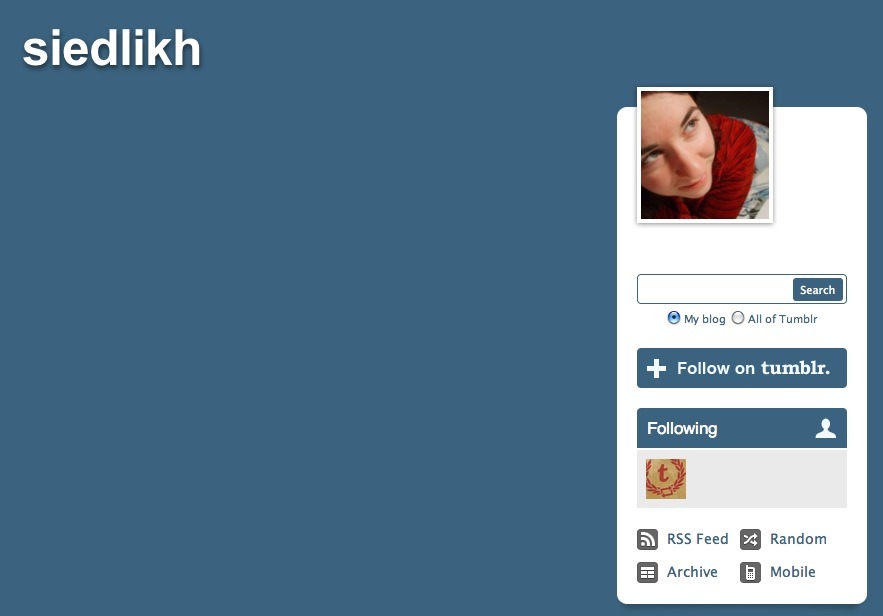
A suspect profile with nothing on it

A random Bit.ly URL

A link to a rogue Flash file

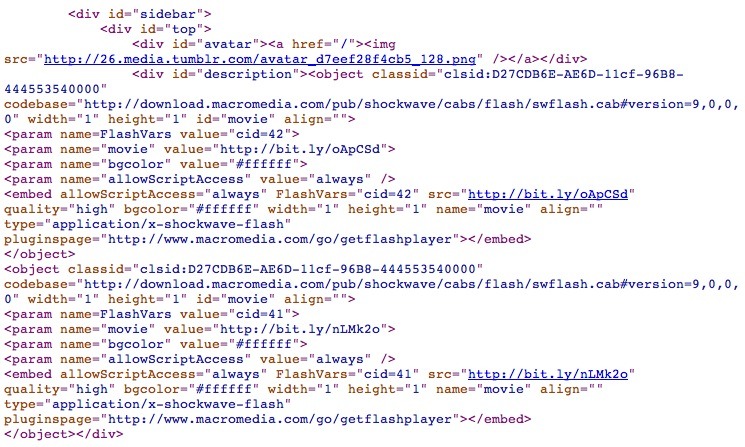
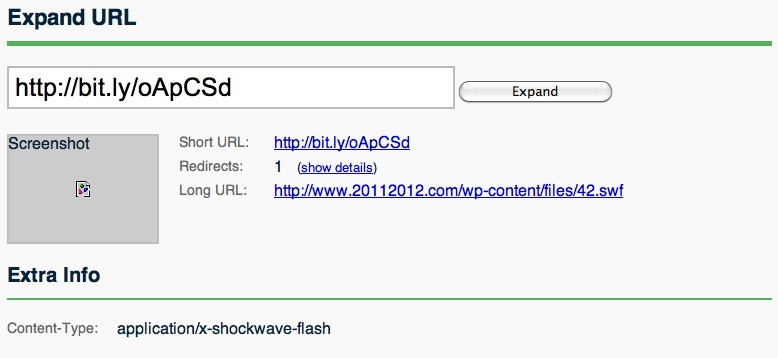
A follow-up to our Tumblr likespam post from last night: One of the things pointed out to us by one of our readers, Paulo Ordoveza, is that the blank profiles also have a payload, although it’s not obvious (we initially said the blank profiles were merely holding spots for future backlinking). We just did a check of the source code on one, and here’s what we found. Click with care, guys.

Posted by ShortFormBlog • Permalink

Jun172011t

Easy solution to this problem, Tumblr

herochan:

Dear Readers:

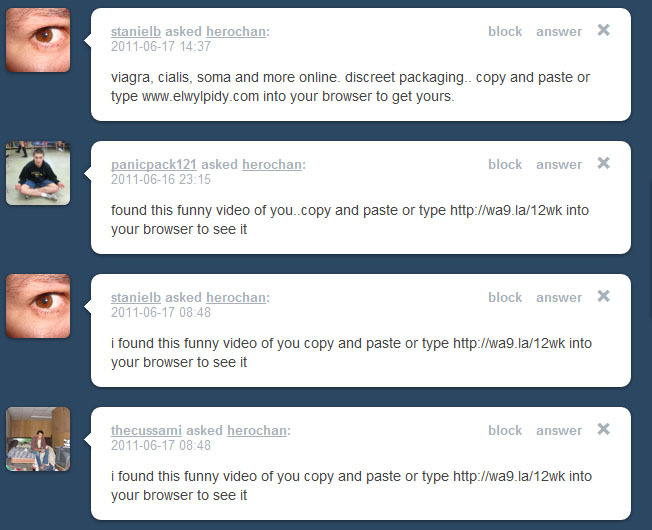
Since Tumblr has done nothing to notify users of a massive spam attack, I guess it is up to us blogs to give you a heads up. Basically, not all of the spam is coming from dummy accounts. Much of it is from real people like you who are unaware that they are sending out spam messages. Since you cannot look at your sent messages, this issue is likely to continue.

What you can do:

#1. Change your password. Did you ever give your login and password to a tumblr tag cloud type of page? Well, the by product is that the info can often be stored and sold off.

#2. See #1 again and actually do it.

In the future, it is worth mentioning that you should use much more caution in allowing non-tumblr sites to have access to your Tumblr info. You can also shoot an email to [email protected] is you notice any problems.

Easy solution to this problem, Tumblr: Let us see our sent messages so that we know that we’re hacked. Also it’d be nice as a way to can remember the messages we sent. *hint* One thing we’d like to note is that, while we don’t get many message spam pieces, we do find ourselves getting hundreds of likespam messages each week. We’ve noticed online that there are easy-to-exploit techniques with Tumblr likes for purposes of black hat SEO, and there has to be some sort of way to prevent these. Perhaps put a limit on the number of likes a day? There’s no way a single person could like 100 posts in a single day. EDIT: Actually …

Posted by ShortFormBlog • Permalink