ShortFormBlog
The Olympics and social media: When restrictive brand standards stifle everyone
- Hey dudes! Here’s the latest entry in our weekly post series, “The Pitch.” This post, written by SFB editor Ernie Smith, considers the wider ramifications of Twitter’s incident with Guy Adams — particularly its ties to the Olympics’ heavy branding and strict rules. Find Ernie on Twitter over here.
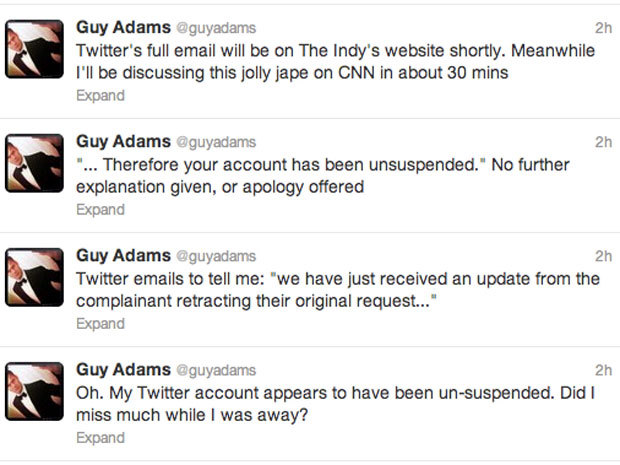
- Last week, journalist Guy Adams learned about The Olympics’ corporate influence the hard way. The reporter and blogger for The Independent, who snarked heavily about NBC ahead of the Olympic opening ceremonies, spent much of last week reacting to the fallout around his Twitter account getting suspended. Why did this happen? And why are relatively open social networks suddenly feeling a lot less open in the wake of the Olympics? It all starts with the branding, and an organization that wants to ensure tight control over every aspect. But does that work in today’s era of share-everything social media? ShortFormBlog’s very own Ernie Smith analyzes the the conflict between brand control and social media overzealousness. Read more after the jump.
Preface: The importance of branding
The hundreds of millions of pounds necessary to organise and stage the Games is being raised by the London 2012 Organising Committee (LOCOG) from the private sector. In return for investing in the Games, we have promised our sponsors and merchandise licensees exclusive rights to use the London 2012 brand.
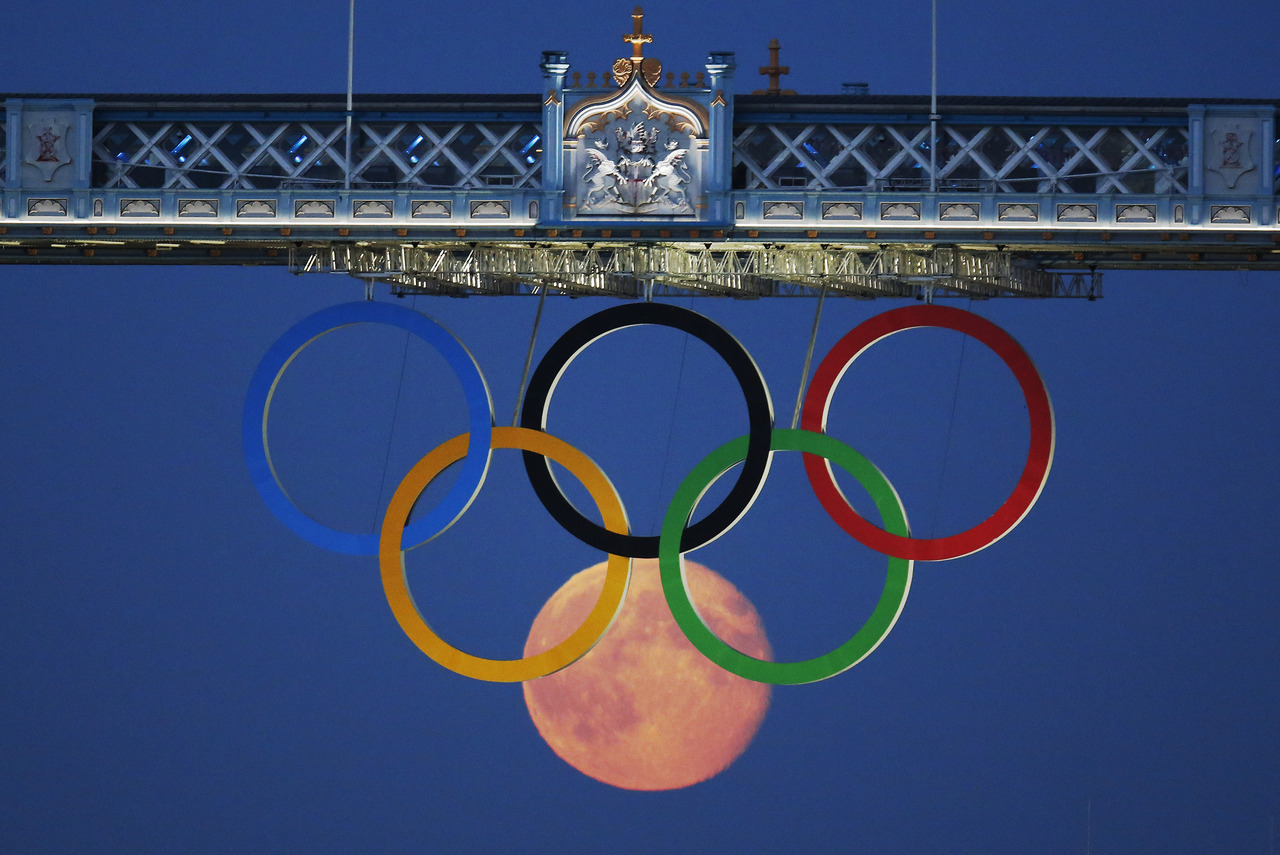
The London Olympics branding page • Describing the reasons why the event’s branding is extremely strict. The branding page describes a number of extremely strict standards as to which companies and private officials can use the Olympic marks — to the point where a section of the branding guidelines describes whether or not you can plant a version of the rings in your own private garden. Based on this page, we can’t use a picture of the rings on this article, though we can use the word Olympics to our heart’s content. So let’s do so. Here’s the SEO version of our brand guideline conversation: Olympics, London Olympics, London Olympics 2012, London Olympics Sports, London Olympics Branding Guidelines, IOC, Parlympics, Citius Altius Fortius, and so on. See that, LOCOG? You can’t do a thing to us about that sentence, because we’re writing an article! HAHAH! source
Why the tight standards? Money
- $17 billion estimated cost of the London Olympic games source
- $860M the amount security, thousands of soldiers provided by the British government, will cost
- $1.2B the amount Visa predicts consumer spending will rise during the London Olympics
- $20B the amount David Cameron believes the games will generate for the country
- » And don’t forget the branding and distribution deals: How do they pay for all this stuff? Beyond the public funding, it comes down to sponsorship and broadcasting deals, of course! A number of major brands, from Acer and Panasonic to Visa and McDonald’s, pay a lot of money to be exclusive sponsors of the event. And broadcasting deals, like NBC’s multi-billion-dollar deal, also count for a massive chunk. These two sources — branding and broadcasting — pay for 92 percent of the International Olympic Committee’s funding. So there is a major financial incentive for the IOC to keep the limitations as strict as possible.
And hence, the crackdown …
- beatsIf you’re an athlete and you’re spotted wearing a pair of Beats by Dr. Dre headphones, expect to get a stern talking-to over the matter, as Panasonic is the only brand you can use.
- friesWant to eat a bag of chips that have nothing to do with a pair of golden arches? Hope you like fish, as Olympic officials are only allowing non-sanctioned chips to be sold with fish. Seriously.
- wifiThe wireless access at the Olympic venues? A steep £5.99 for 90 minutes, thanks to a deal BT has. And don’t bring your own wi-fi, because people with detectors will hunt you down.
Where the social networks come in
- Try sharing this video on Facebook or another site. Watch what happens. Weird, eh? That’s because, due to restrictions on the content, this video has been blocked from sharing on many sites due to a lack of contracts with NBC Universal. While contract deals such as this one are somewhat common with big media companies, this case seems somewhat bizarre, as NBC doesn’t appear to have anything to do with the making of this video, which was directed by an Olympic swimmer, and other clips on the U.S. Olympic Swimming Team’s page remain shareable. This suggests one thing — The Olympics are such a big deal that those who make deals to carry coverage are willing to bend the rules to win them over. Which leads us to the tale of unlucky, snarky journalist Guy Adams.
Twitter tips off a TV network
We want to apologize for the part of this story that we did mess up. The team working closely with NBC around our Olympics partnership did proactively identify a Tweet that was in violation of the Twitter Rules and encouraged them to file a support ticket with our Trust and Safety team to report the violation, as has now been reported publicly. Our Trust and Safety team did not know that part of the story and acted on the report as they would any other.
A message from Twitter • Apologizing for its handling of the suspension of Guy Adams’ Twitter account, which appears to have been brought on by two factors: One, NBC had an agreement with Twitter to help share content, which led to employees working on that team noticing a comment they may have ignored otherwise; and two, Adams tweeting out the e-mail address of an NBC executive, in apparent violation of Twitter’s rules. After Twitter tipped off NBC, the network requested the account be suspended. An outcry ensued, and eventually both NBC and Twitter relented. Adams now has nearly 20,000 Twitter followers as a result of the notoriety he gained from last week’s incident.
The athletes feel stifled on Twitter, too
- Meet Olympic hurdler Dawn Harper. Recently, Harper and a handful of other athletes have taken to Twitter with complaints about “Rule 40,” a restriction in the United Kingdom that limits them from being able to mention their own sponsors during the Olympics, or featuring in advertising around a non-sponsor brand. To give you an example of this in action: Apolo Ohno features prominently in advertising for Subway right now, even though speed skating is a Winter Olympics sport and Subway counts Michael Phelps as one of their spokespeople. That’s because, by this rule in the United Kingdom and by agreement elsewhere, athletes can’t show up in non-sponsor ads during the Olympics. Harper has been among the loudest complainants over this issue.
So, where is the line, anyway?
You don’t want to protect that investment so much that you piss off everyone. You’ve got to keep sensible about it and you’ve got to remember that the moment that you as a brand by protecting your own brand start inhibiting consumer choice and consumer behavior … then that’s when you start risking impacting and affecting your brand.
Edelman Digital Director Matthew Gain • Discussing the issue that the IOC and other Olympic-related groups will face as the Olympics go on. While understanding as to why the IOC would want such control, considering the commercial realities, Gain suggests that by going after small companies or people merely trying to get into the Olympic spirit, they may be doing more harm than good. "I think if it’s a mum and dad business that’s not really benefiting from the Olympics but getting into the Olympic spirit … that’s probably where you’ve gone a little bit too far.“ That probably counts for the commenters and broadcasters, too. source
What we should take from all this
- Why did Guy Adams’ Twitter account get suspended? Let’s put it this way: Adams probably screwed up by posting that e-mail address, but his account was noticed (and the situation taken more seriously than it would have been otherwise) because an air of normalcy was created by all these brand agreements, even though they’re anything but normal. When there are so many moving parts and so much protection around a brand and a reputation, what seems absurd to the outside world starts looks normal for someone having to work within these rules. If we could rewrite the Olympics script for 2016 or even 2014, here’s what we’d suggest:
- one The Olympics are a important event and one with a huge financial windfall for the host country. But the costs of running the Olympics are so high that the event, sadly, reeks of corporate influence, from NBC to the official brand sponsors. What’s the point where the cost outweighs the benefit?
- two Both the Olympics and NBC need to consider the implications of the restrictive culture around the Olympics in 2012 — because it’s feasible to imagine damage to the brand’s reputation in the long run if they don’t loosen their brand standards. Four words: Creative Commons-licensed content.
- three The reason people got angry about the Guy Adams situation is because it was a sign Twitter is becoming more corporate and less free. We expect total freedom from our social networks, and no single brand, not even the Olympics, is worth violating that trust. Next time, stay out of the fray, Twitter.
Ernie Smith the editor of ShortFormBlog and a social media journalist for TMG Custom Media. He likes ”The Room.“ Reach him at @ShortFormErnie.