That sound you hear is NASA collectively melting into puddles of joy after successfully getting within 500 miles of Comet Hartley 2. Look, you can see its nucleus. source
everyone, meet gliese 581g! Despite the ugly name, it's actually a friendly, Earth-like planet in the Libra constellation. "Glee-G," as we like to call it, is 20 light years away, so we won't be visiting any time soon; however, the "conditions on the ground" (heh, military humor) are perfect for sustaining water. Here are a few more tidbits about our newest planetary sibling. source
No night and day One side of the planet is always facing it's "sun," while the other is permanently looking into the abyss of space. So, if it's freezing and you can't wait for summer, just cross on over to the other side!
3X bigger than earth So you probably won't be able to cross on over to the other side. However, despite its size, it has similar gravitational and atmospheric conditions to our beloved blue orb.
aliens exist!"The chances for life on this planet are 100 percent," says Steven Vogt, an astronomer at the University of California. You'd think this sort of thing would have made the news rounds a bit more heavily, no? source
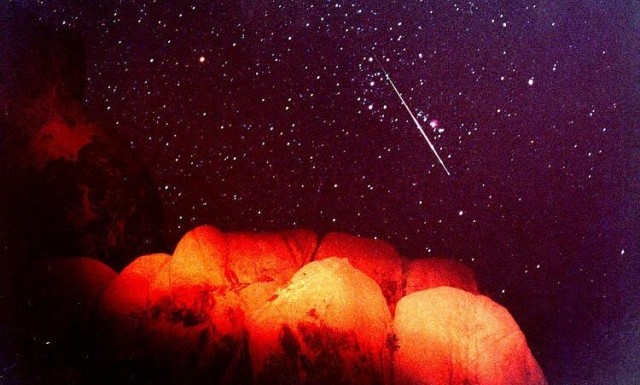
It's August, so it must mean meteor showers! At least that's what NASA says, which is why they're hosting a chat later on today to discuss the Perseid meteor shower peaks, which will be hitting today and tomorrow., leading to awesome images like this one. We like space. It's kind of a big place. source
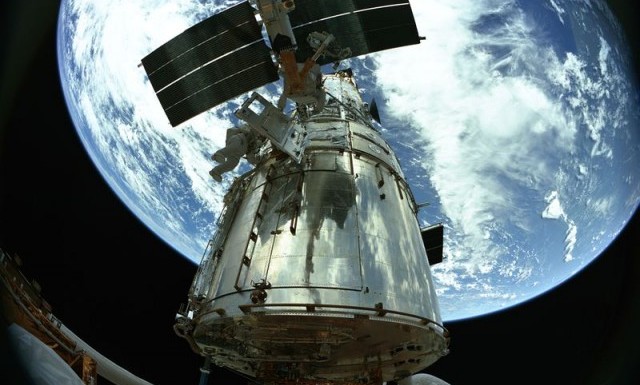
The Hubble telescope turns 20, but like most of its effective life, it's stuck in space today, all by itself. It needs friends. Endless photography is a good hobby, but not a normal lifestyle. Anyone got any ideas on how to make this massive telescope's life a little less, you know, empty? source

 ShortFormBlogRead a little. Learn a lot. • Now Mullenweg-free! • Since 2009