Threads: Why Meta’s Take on Twitter Feels Soulless
Since every jerk on the internet has to have an opinion about Threads, here’s mine.
TLDR: The slick UX of a platform worth billions of dollars is definitely in danger of getting weaponized.
 ShortFormBlogRead a little. Learn a lot. • Now Mullenweg-free! • Since 2009
15,437 posts
Threads: Why Meta’s Take on Twitter Feels Soulless
Since every jerk on the internet has to have an opinion about Threads, here’s mine.
TLDR: The slick UX of a platform worth billions of dollars is definitely in danger of getting weaponized.
Posted by Ernie Smith • Permalink
The Invention that Made Beer Cans Even Better
There was once a time that people put pull-off metal soda can tabs into the can, then drank it. Guess what happened next.
Posted by Ernie Smith • Permalink
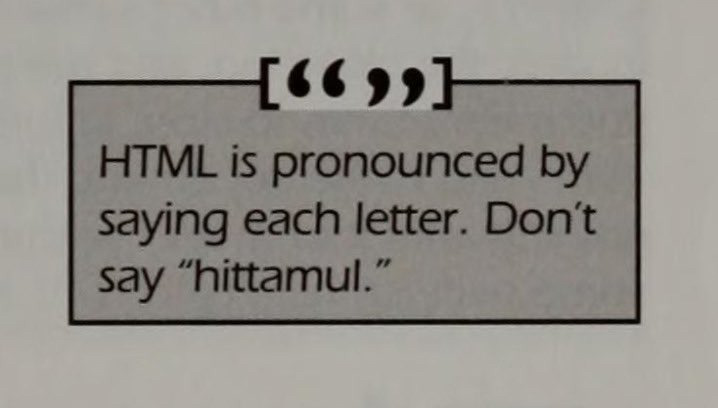
Finally, the name for my IDM project has shown itself
Posted by Ernie Smith • Permalink
I know this sounds absurd to say, but I think this video kind of shaped my worldview.
Dan Deacon, performing live on Savannah’s WSAV, circa 2006.
Posted by Ernie Smith • Permalink
At this rate Elon Musk is gonna have to join Tumblr to get any reach
Posted by Ernie Smith • Permalink
So, I do this thing where I publish a shorter version of Tedium on different outlets like Substack and LinkedIn. I call it Lesser Tedium, and I’m going to try it here. If you like it, subscribe to Tedium here. If you think it sucks, leave an angry comment, so I feel the depth of your anger.
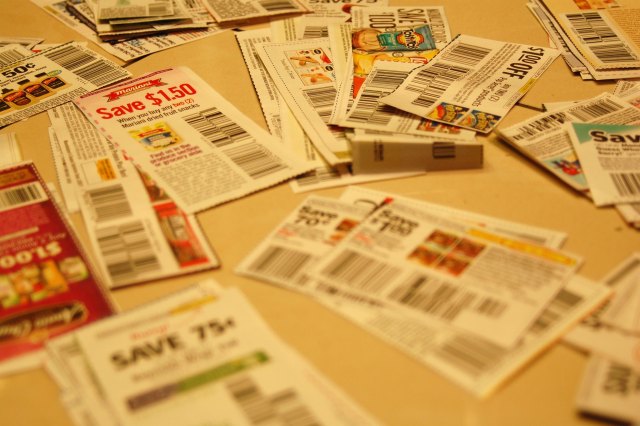
If you’ve ever gone to a grocery store in search of a deal, odds are you’ve leveraged the lasting power of the manufacturer’s coupon.
It was essential for manufacturers and retailers alike to get people to go into stores. But these paper devices of commerce had to go somewhere.
Where did they go? Easy: They were shipped off to Clinton, Iowa, a town about an hour outside of Davenport. At least in the 1950s, that was the home of the Nielsen Coupon Clearing House, a firm that essentially existed to do for coupons what a bank clearing house did for checks.
There was just one problem—what were they going to do with all the used-up coupons? Sure, recycling was an option, and so was shredding, but the solution that 1950s Iowa came up with was much more depressing: The company went to the local hospital, which had an incinerator, and burned them.
Per a 1958 issue of the industry magazine Sponsor, NCCH was burning as many as 10 million coupons a week. At first, the clearing house’s general manager, Kurt Tischler, tried burning the coupons in the company’s own furnace, but that just sprayed ash everywhere and got the mayor of Clinton to come to the plant and complain.
So that was when they made a deal with the veteran’s hospital to burn the coupons. Legally, the government employees were not allowed to be paid by a private business for unrelated work, so the hospital workers essentially turned a blind eye to the incinerator.
Eventually, they had to stop doing that, too, and then did other deeply damaging things to the local environment—grinding up the paper to shove into the local sewer line, which also ticked off Clinton’s mayor, and then burning the materials in an abandoned quarry.
Finally, the solution they came up with:
Finally, Tischler bought something called a PEGAR. This is used by the government for getting rid of classified material. It adds water to the coupons and turns them into pulp. The pulp is then put into sacks and taken to the city dump. Now, everything’s fine. Of course, coupons made of foil are another problem.
Just remember: There was once a time when recycling was not the obvious solution, and you had people willing to trash the local economy instead.
» Wanna learn more? Check out our 2021 piece on the rise of manufacturers’ coupons, which may be the only thing keeping some newspapers in business.
Posted by Ernie Smith • Permalink




The problem with ChatGPT is that it failed history class.
Posted by ShortFormBlog • Permalink
Posted by Ernie Smith • Permalink