Threads: Why Meta’s Take on Twitter Feels Soulless
Since every jerk on the internet has to have an opinion about Threads, here’s mine.
TLDR: The slick UX of a platform worth billions of dollars is definitely in danger of getting weaponized.
 ShortFormBlogRead a little. Learn a lot. • Now Mullenweg-free! • Since 2009
17,472 posts
Threads: Why Meta’s Take on Twitter Feels Soulless
Since every jerk on the internet has to have an opinion about Threads, here’s mine.
TLDR: The slick UX of a platform worth billions of dollars is definitely in danger of getting weaponized.
Posted by Ernie Smith • Permalink
The Invention that Made Beer Cans Even Better
There was once a time that people put pull-off metal soda can tabs into the can, then drank it. Guess what happened next.
Posted by Ernie Smith • Permalink
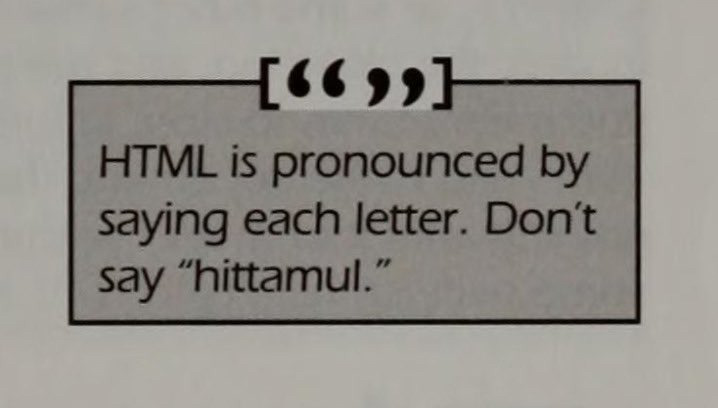
Finally, the name for my IDM project has shown itself
Posted by Ernie Smith • Permalink
I know this sounds absurd to say, but I think this video kind of shaped my worldview.
Dan Deacon, performing live on Savannah’s WSAV, circa 2006.
Posted by Ernie Smith • Permalink
At this rate Elon Musk is gonna have to join Tumblr to get any reach
Posted by Ernie Smith • Permalink
So, I do this thing where I publish a shorter version of Tedium on different outlets like Substack and LinkedIn. I call it Lesser Tedium, and I’m going to try it here. If you like it, subscribe to Tedium here. If you think it sucks, leave an angry comment, so I feel the depth of your anger.

If you’ve ever gone to a grocery store in search of a deal, odds are you’ve leveraged the lasting power of the manufacturer’s coupon.
It was essential for manufacturers and retailers alike to get people to go into stores. But these paper devices of commerce had to go somewhere.
Where did they go? Easy: They were shipped off to Clinton, Iowa, a town about an hour outside of Davenport. At least in the 1950s, that was the home of the Nielsen Coupon Clearing House, a firm that essentially existed to do for coupons what a bank clearing house did for checks.
There was just one problem—what were they going to do with all the used-up coupons? Sure, recycling was an option, and so was shredding, but the solution that 1950s Iowa came up with was much more depressing: The company went to the local hospital, which had an incinerator, and burned them.
Per a 1958 issue of the industry magazine Sponsor, NCCH was burning as many as 10 million coupons a week. At first, the clearing house’s general manager, Kurt Tischler, tried burning the coupons in the company’s own furnace, but that just sprayed ash everywhere and got the mayor of Clinton to come to the plant and complain.
So that was when they made a deal with the veteran’s hospital to burn the coupons. Legally, the government employees were not allowed to be paid by a private business for unrelated work, so the hospital workers essentially turned a blind eye to the incinerator.
Eventually, they had to stop doing that, too, and then did other deeply damaging things to the local environment—grinding up the paper to shove into the local sewer line, which also ticked off Clinton’s mayor, and then burning the materials in an abandoned quarry.
Finally, the solution they came up with:
Finally, Tischler bought something called a PEGAR. This is used by the government for getting rid of classified material. It adds water to the coupons and turns them into pulp. The pulp is then put into sacks and taken to the city dump. Now, everything’s fine. Of course, coupons made of foil are another problem.
Just remember: There was once a time when recycling was not the obvious solution, and you had people willing to trash the local economy instead.
» Wanna learn more? Check out our 2021 piece on the rise of manufacturers’ coupons, which may be the only thing keeping some newspapers in business.
Posted by Ernie Smith • Permalink
Posted by Ernie Smith • Permalink
It was more than just a way to cheat. The Game Genie was a gateway to remix culture that we’re seeing amplified with ChatGPT.
So, I do this thing where I publish a shorter version of Tedium on different outlets like Substack and LinkedIn. I call it Lesser Tedium, and I’m going to try it here. If you like it, subscribe to Tedium here. If you think it sucks, leave an angry comment, so I feel the depth of your anger.
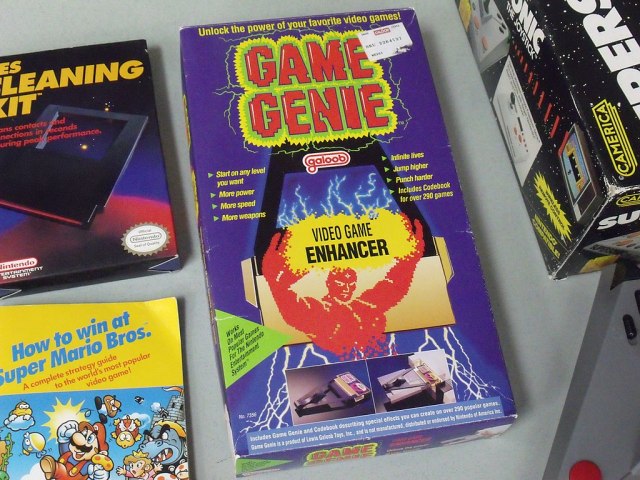
In many ways, the Game Genie broke through gamer culture in ways very similar to the reasons that people use tools like ChatGPT—not for its intended use case, but to see if they can break it.
Developed in the late 1980s by the British firm Codemasters and sold in the U.S. by the toy company Galoob, the device in its various forms became a $140 million juggernaut, something that players used to make it easy to survive another round of Battletoads or make it past jumps that otherwise might have seemed impossible.
The Game Genie, of course, was a pass-through tool that essentially modified address registers of 8-bit and 16-bit video games. It was not the first tool of its type—that honor goes to the Action Replay, an earlier device which also had the ability to save states into memory. (That inspired a weird device for the Nintendo 64.)
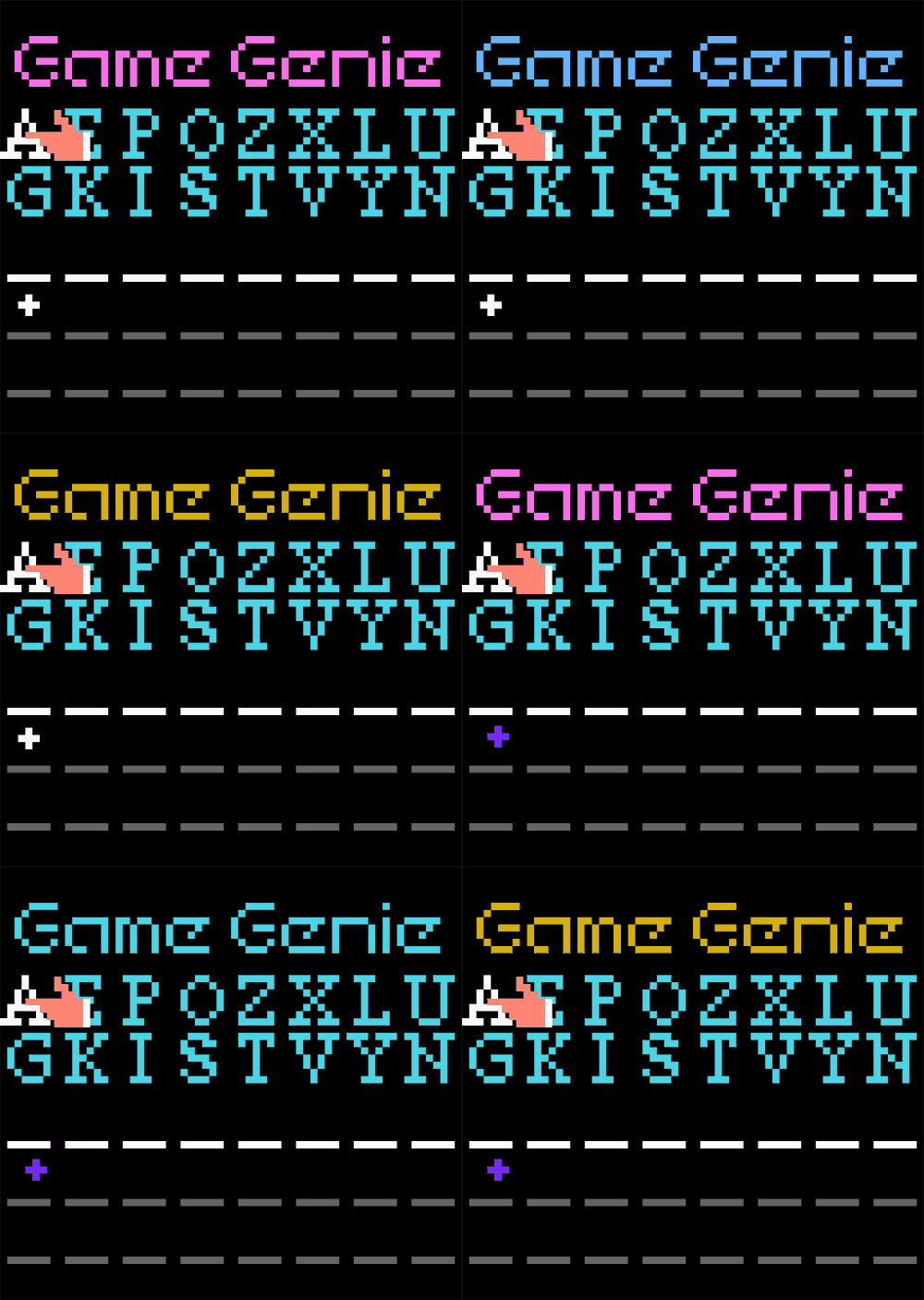
But the Game Genie, in many ways, was an early harbinger of what was to come with internet culture, particularly around remixes. The device was at the center of a 1992 appeals court ruling that found, essentially, that modifications of a piece of software were allowed as long as the original copyright was kept intact.
“The Game Genie merely enhances the audiovisual displays (or underlying data bytes) that originate in Nintendo game cartridges,” the Ninth Circuit court ruling in Lewis Galoob Toys vs. Nintendo of America states. “The altered displays do not incorporate a portion of a copyrighted work in some concrete or permanent form.”
In a world where so much of our software relies on slight changes and modifications—remixes, if you will—this was a big deal. It allowed for changes to the way things were built. If this decision hadn’t been made, imagine the number of things we’d have out there that couldn’t be remixed.
In many ways, the Game Genie did for software what the sampler did for music—it created new ways of thinking about the things we already owned.
We are now seeing some of the more extreme variations of that with large language models, which are taking this mindset even further.
But they just aren’t as fun as messing with a Game Genie.
» Wanna learn more? Check out my 2015 piece discussing the Game Genie, as well as David Buck’s 2018 take on Codemasters. The Game Genie is one of my favorite devices ever.
Posted by Ernie Smith • Permalink




 The problem with ChatGPT is that it failed history class.