 ShortFormBlog
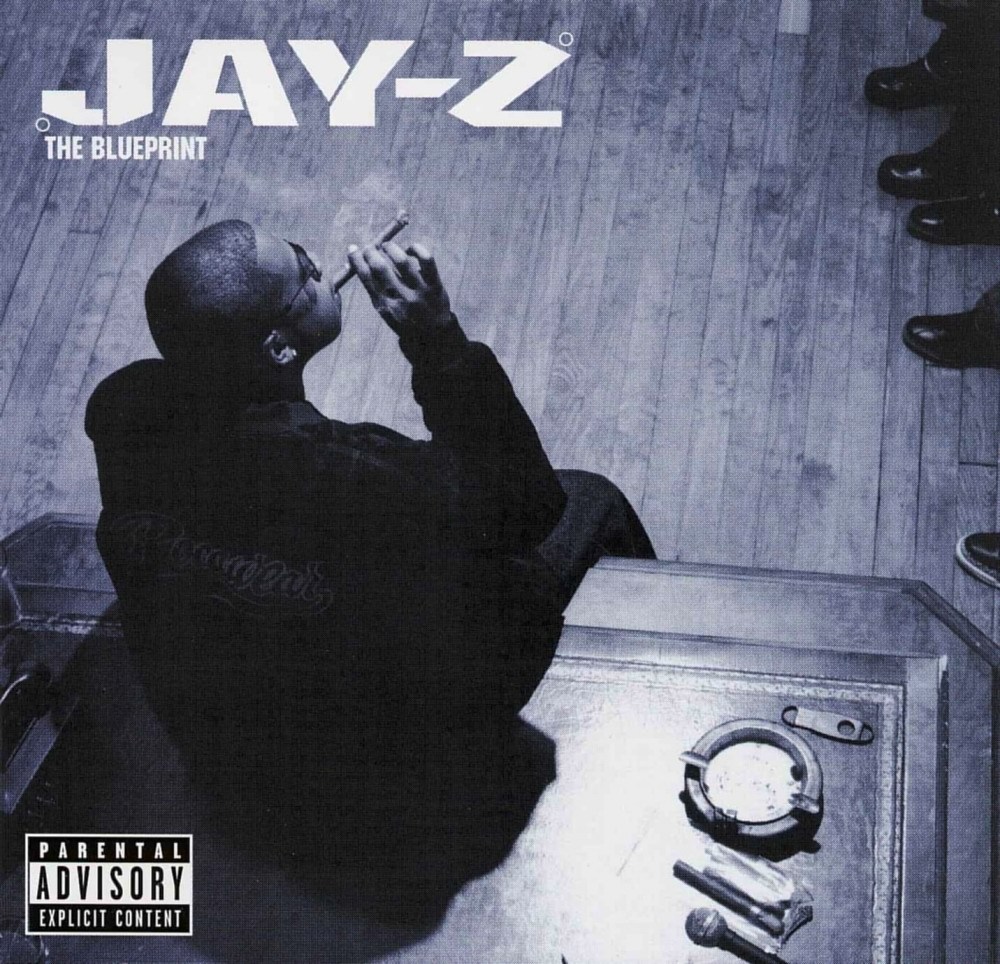
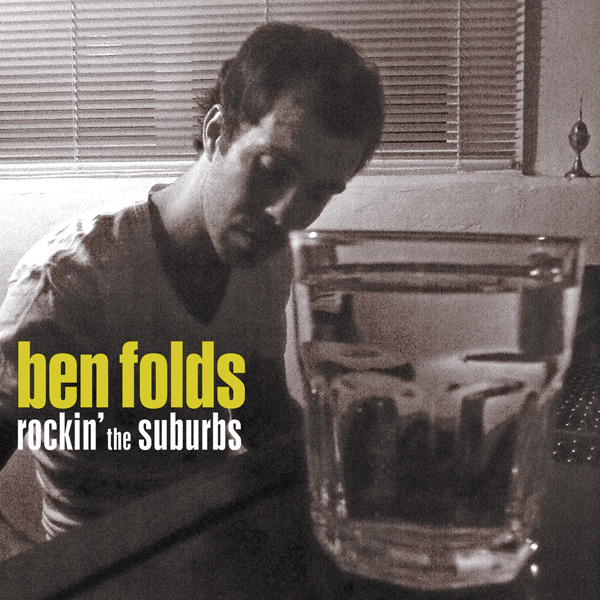
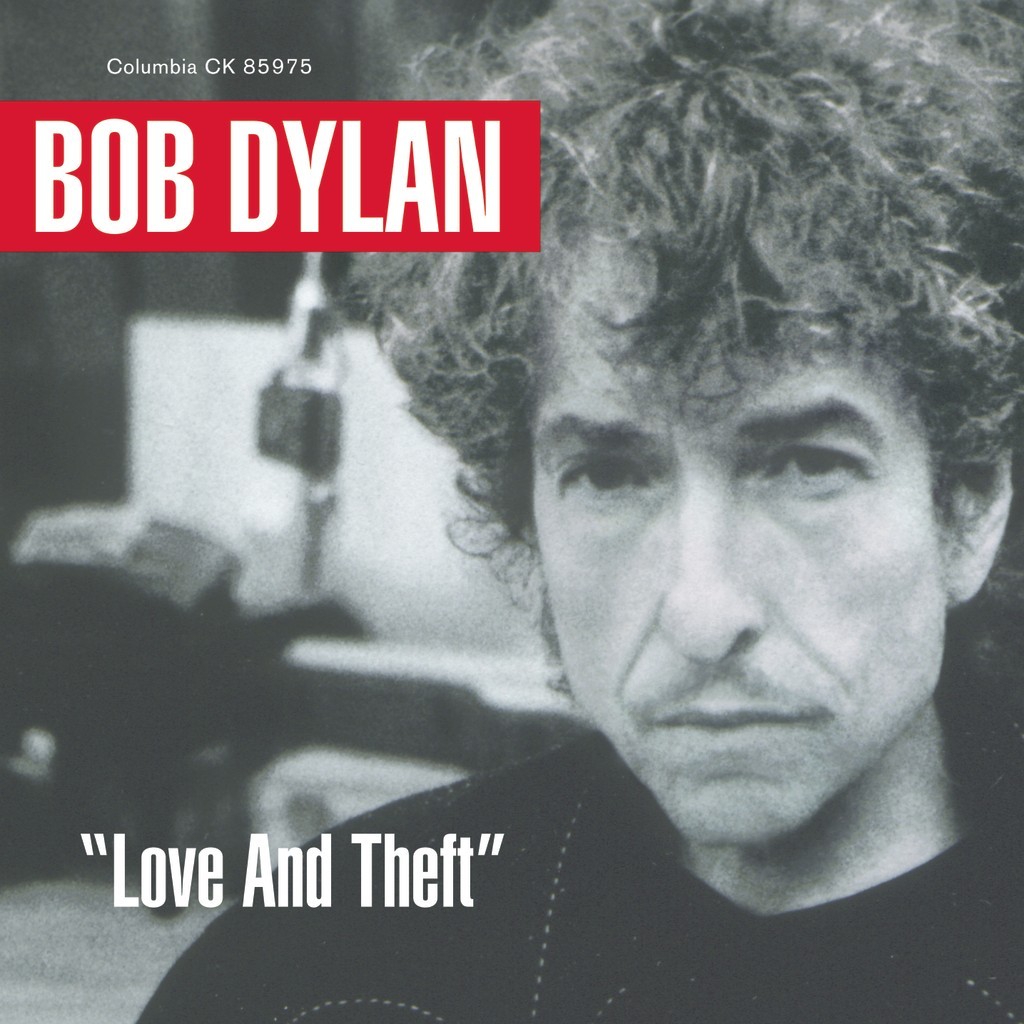
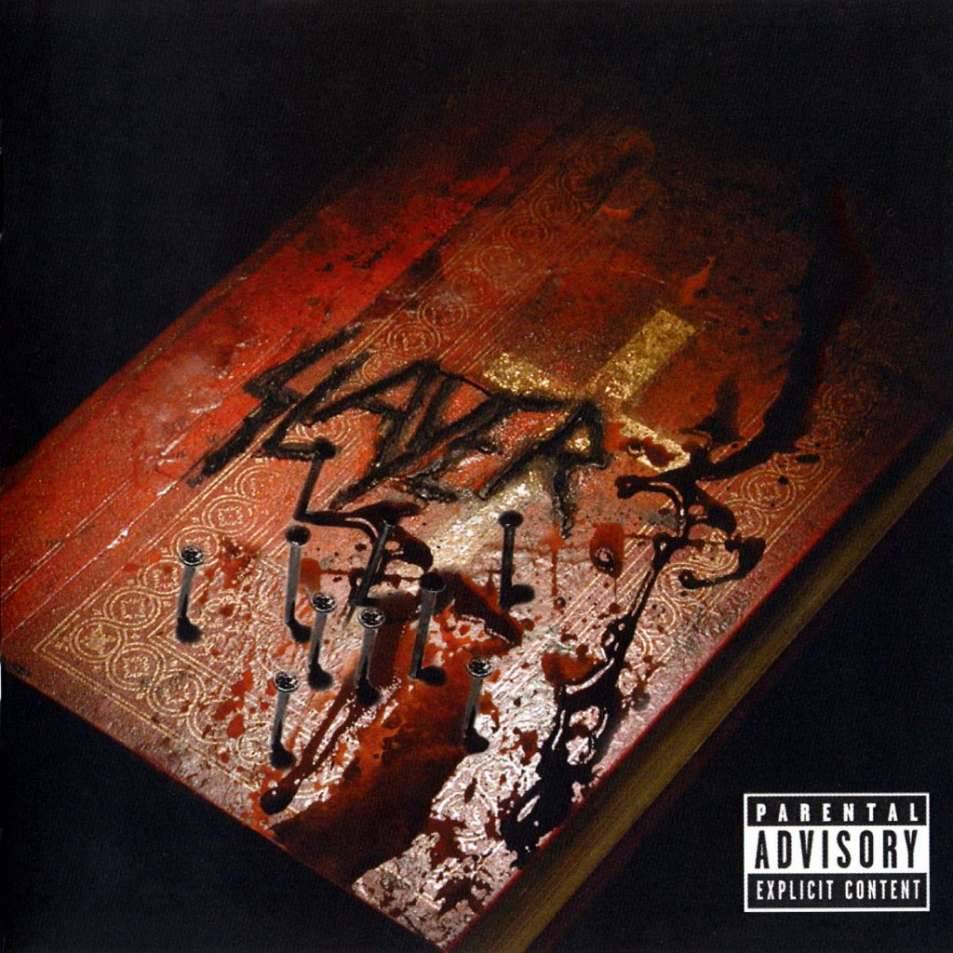
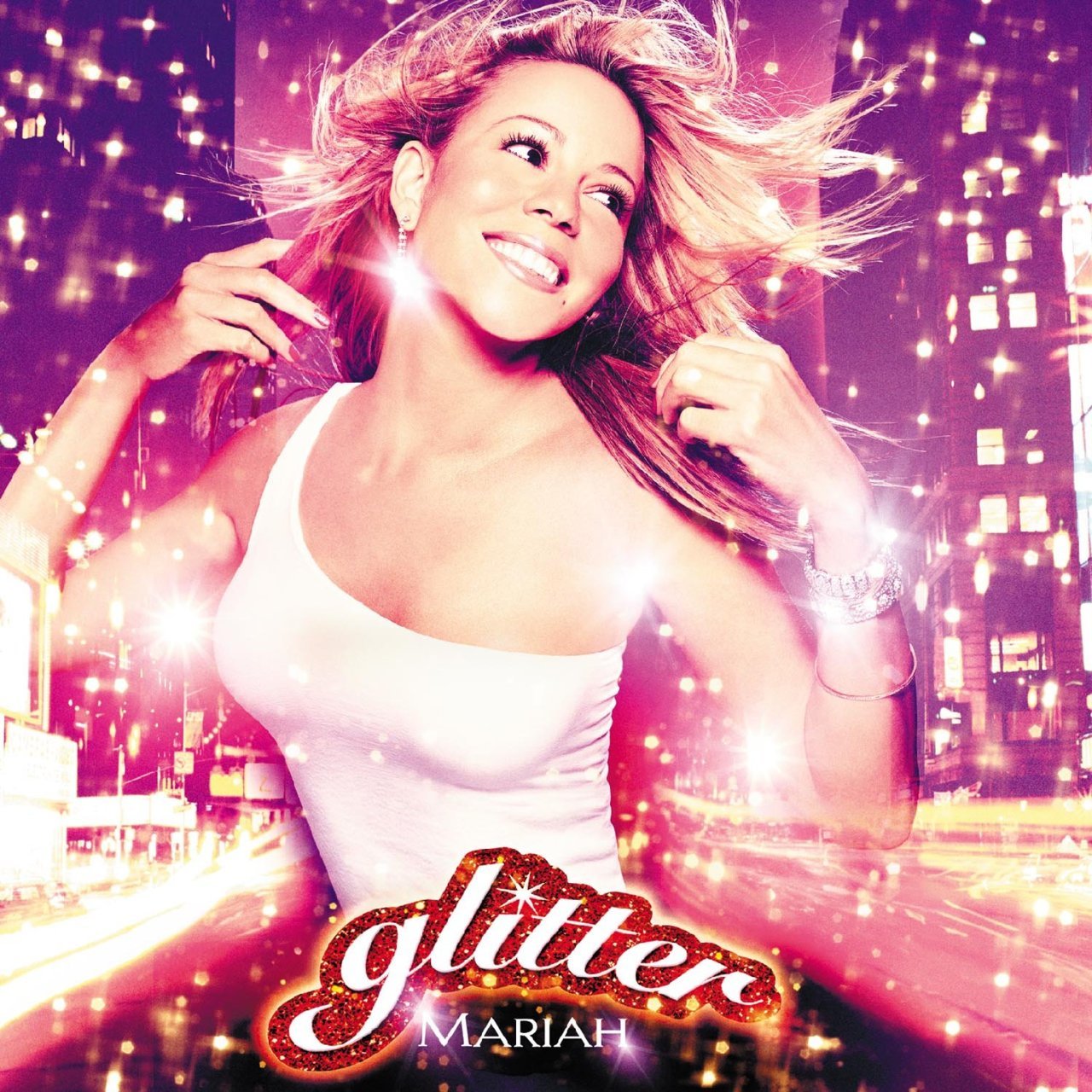
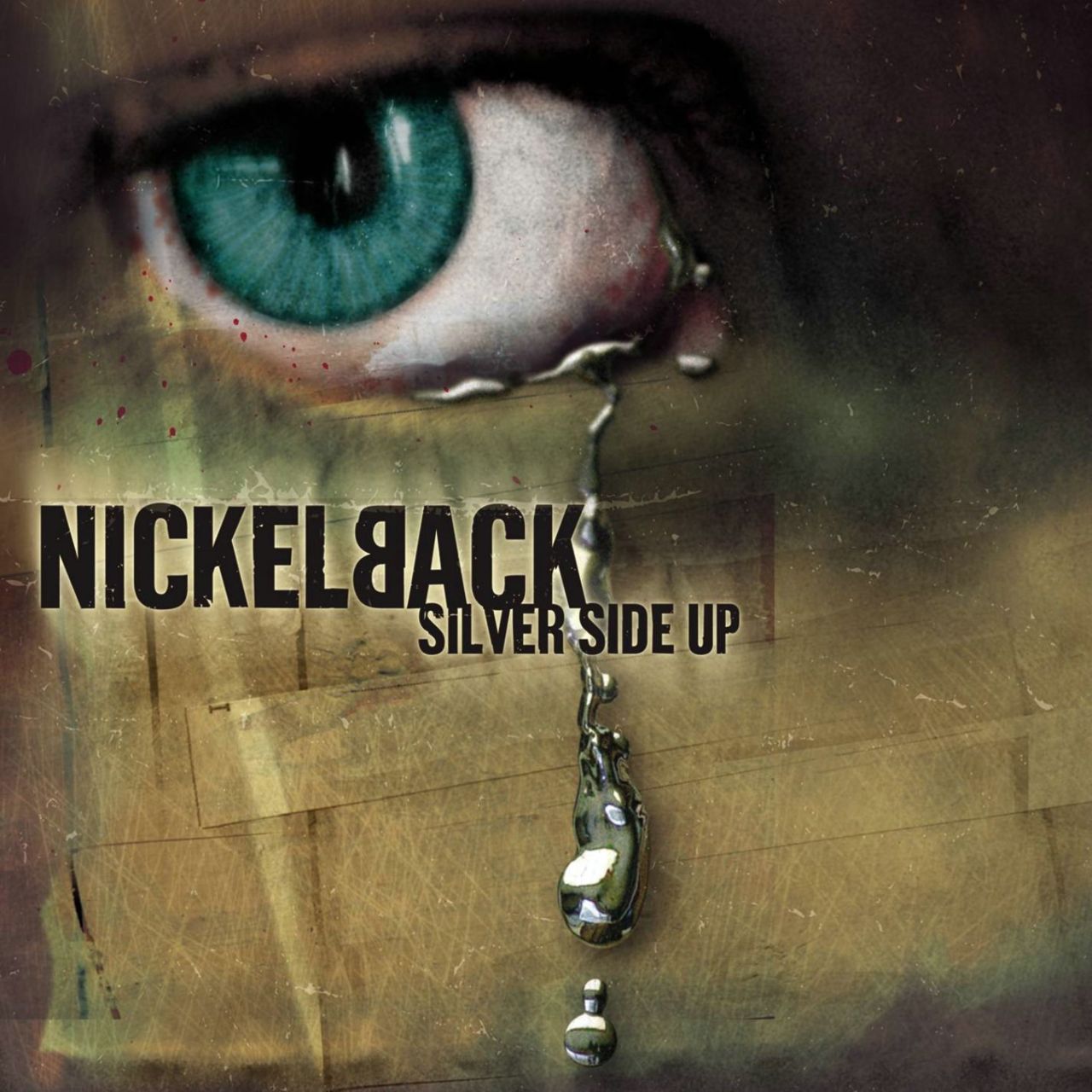
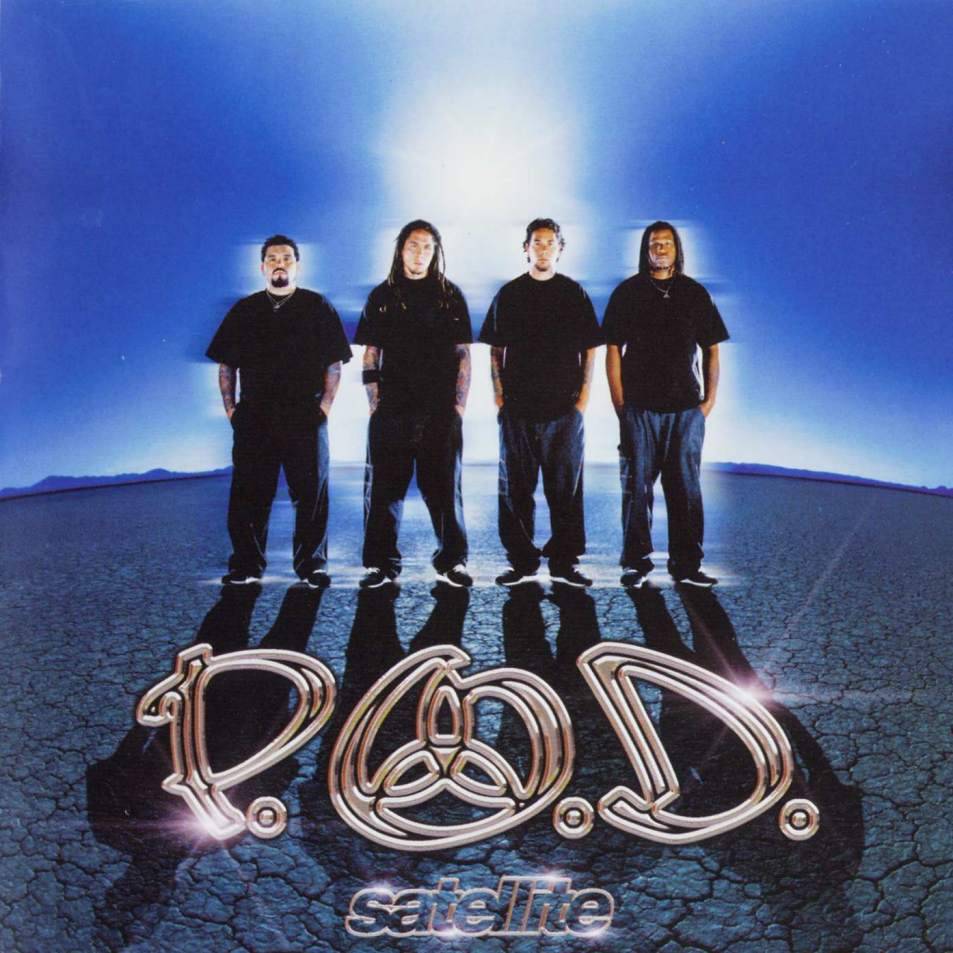
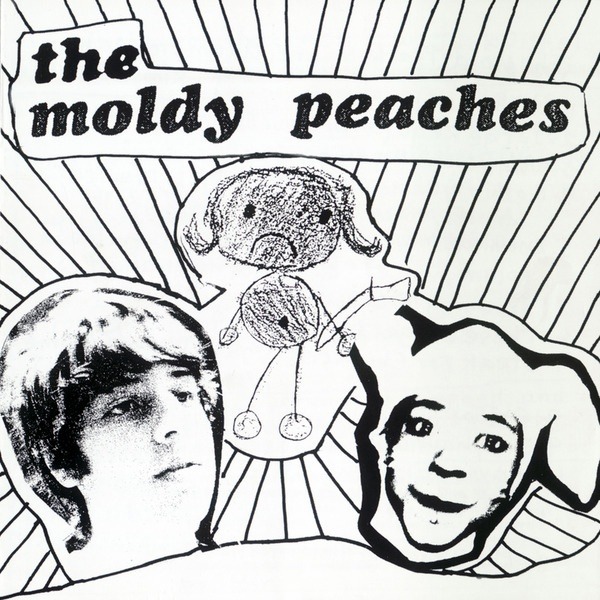
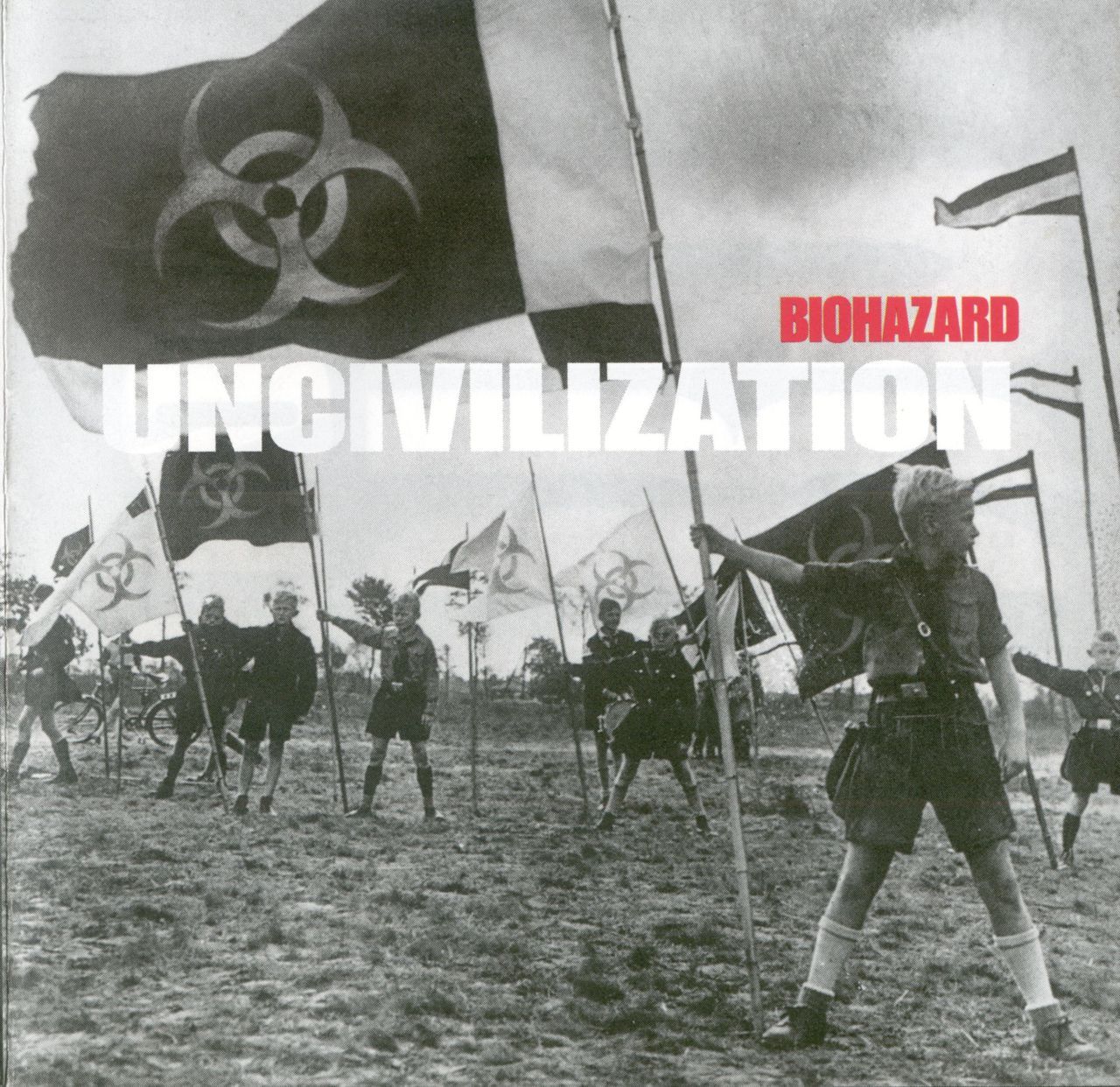
If September 11th, 2001 didn’t end in tragedy, people would probably remember it as a particularly stacked day for music fans. The early fall tends to bring many of the year’s big releases, and this fateful day in 2001 was no exception, with one bonafide classic (Jay-Z’s “The Blueprint”), two well-regarded critical hits (Bob Dylan’s “Love and Theft” and Ben Folds’ “Rockin’ The Suburbs”), two major commercial hits (Nickelback’s “Silver Side Up” and P.O.D.’s “Satellite,” the latter of which arguably benefited from a lede single that worked as a post-9/11 anthem), a memorable flop (Mariah Carey’s “Glitter”), a sleeper hit (The Moldy Peaches’ self-titled album) and two albums with foreshadowing titles (Slayer’s “God Hates Us All” and Biohazard’s “Uncivilization”). A ton of other albums were affected by 9/11, including Jimmy Eat World’s self-titled album (originally called “Bleed American”), The Strokes’ “Is This It” (which omitted “New York City Cops”) and Ryan Adams’ “Gold” (whose lead single had a video that prominently featured the Twin Towers). The music of an era should reflect its times. How do these albums hold up?