Read a little. Learn a lot. • Now Mullenweg-free! • Since 2009
☰

Tag: photo manipulation

5 posts

May142013t

This was the 2013 World Press Photo of the Year,

This was the 2013 World Press Photo of the Year, a shot of a number of casualties after a bombing in Gaza. The event itself wasn’t fake, but as one tech expert figured out, the photo was ‘Shopped.

UPDATE: World Press Photo is denying these allegations, and spoke to some independent experts, who found no manipulation outside of normal post-production.

Posted by Ernie Smith • Permalink

May142013t

When I compare the RAW file with the prizewinning version I can indeed see that there has been a fair amount…

When I compare the RAW file with the prizewinning version I can indeed see that there has been a fair amount of post-production, in the sense that some areas have been made lighter and others darker. But regarding the positions of each pixel, all of them are exactly in the same place in the JPEG (the prizewinning image) as they are in the RAW file. I would therefore rule out any question of a composite image.

— Digital photography expert Eduard de Kam • Discussing the photo we posted earlier today, which a forensic image analyst suggested ‘Shopped. World Press Photo, after working with independent forensic analysts, says that the photo was retouched in post-production but not manipulated, and as a result it will not take the award away from winner Paul Hansen, despite the photo-manipulation controversy. (ht catedrals)

Posted by Ernie Smith • Permalink

Feb72012t

Tonight, spurred by a tweet I was sending along,

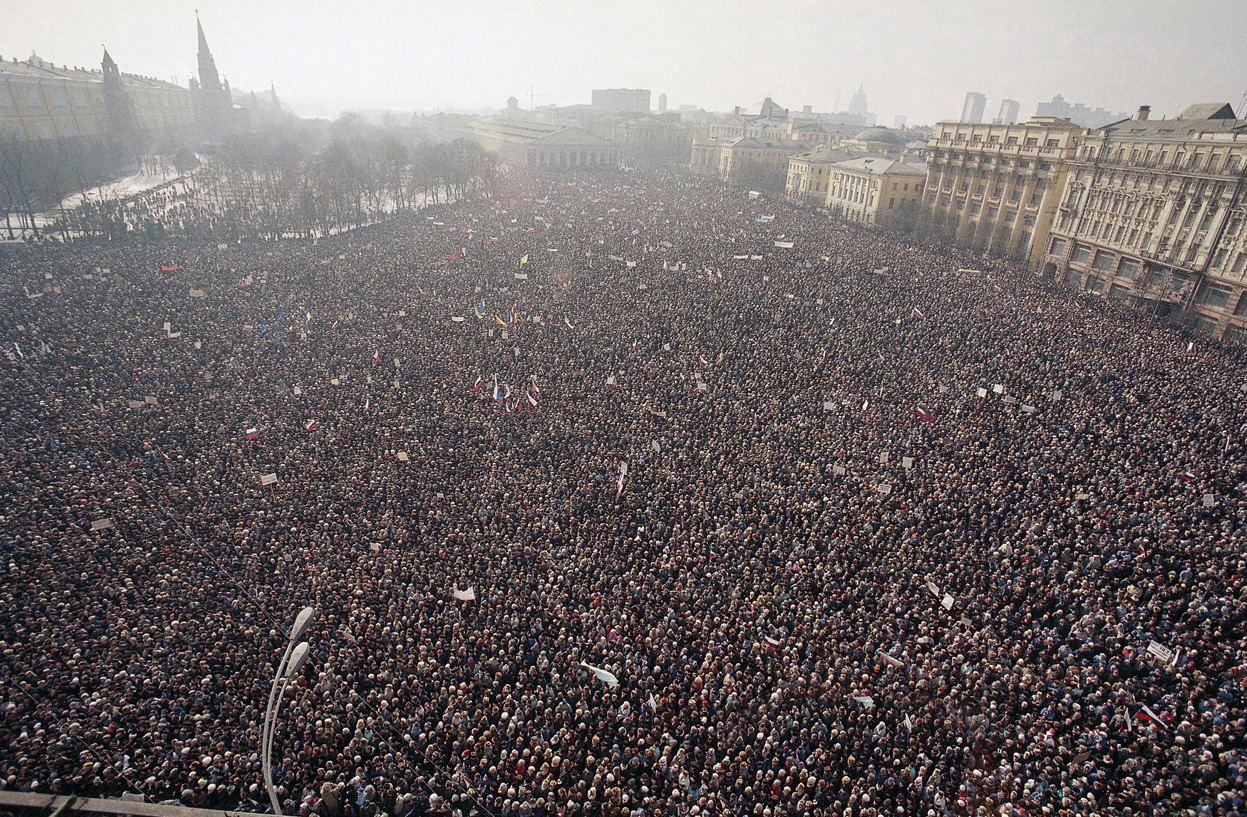
In Focus photo from March 10, 1991

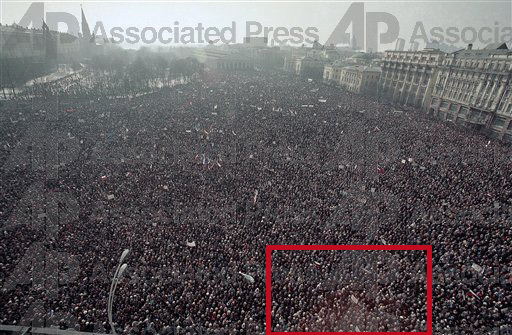
AP photo, March 19, 1991, with highlight

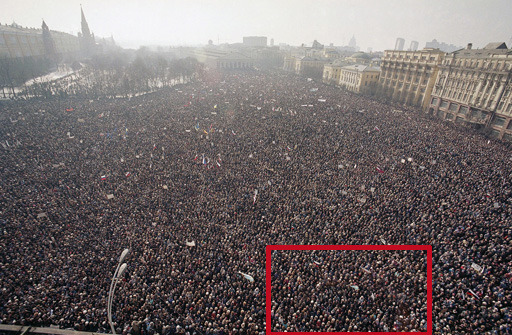
In Focus photo with highlight

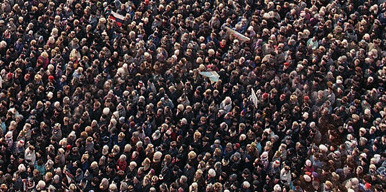
Highlighted section from photo

Highlighted section with contrast added

Looking deeper into an old-school photo-manipulation mystery

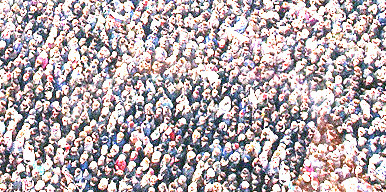
Tonight, spurred by a tweet I was sending along, I took a second look at AP for more details on this 1991 photo, wrongly claimed to be from over the weekend and later debunked as Photoshopped. There were some questions as to why a photo of this nature would be manipulated, and I think I have an answer. I went back to the link I posted yesterday and noticed the AP link was now broken. Weird, I thought — it worked fine yesterday. So then, I did a fresh search and found this photo, which is nearly the same as the one In Focus ran in December. I did a compare and contrast and noticed a red blotch that wasn’t there before. And a different date on the photo — March 19, 1991, not March 10. I compared it with the photo from In Focus, and there was some definite photo manipulation going on — see the bottom four images. However, I can firmly say that the AP photo I downloaded on Sunday did not have this blotch — so The Atlantic is in the clear, this is all AP. The photo that was manipulated appears to have been removed from the archives and replaced with one that hasn’t. In the end, it’s not full deception, but an attempt at cleaning up imperfection. — Ernie @ SFB

Posted by ShortFormBlog • Permalink

Feb72012t

The Atlantic's Alan Taylor offers the full story on the Moscow protest photo that was uncovered as a…

I’ve been posting hundreds of photographs online every month for nearly four years now, and this is the first image I’ve posted that has verifiably been manipulated. Photo manipulation of this kind is unacceptable under my, and The Atlantic’s, guidelines and principles. I try my best to publish only what I believe to be honest representations of people and events. But in some cases, as here, the alteration can go unnoticed for years – until enough eyes come into play (the fantastic magnifying effect of the Internet) and unseen details start to emerge.

Many thanks to Donna Meiss, Ken Oye, Ernie Smith, and everyone else who caught this issue and brought it to our attention. The photo will remain in place in the original photo story here, with a prominent link back to this article, explaining the whole story.

Taylor talked to AP, who said it was an unacceptable attempt to clear up some lens flare on the photo. Check over here to see our role in this saga. And thanks to Squashed, who pointed out the manipulation in the first place.

Posted by ShortFormBlog • Permalink

Feb52012t

Because we find the mystery of a pre-Photoshop photo manipulation really interesting, we just dug up the AP…

This is from March 10, 1991, when a manipulation of this nature would’ve required a lot more work. The clone brush didn’t really exist back then. Could you imagine the level of meticulousness that it would require to edit a photo like this on a really early photo-editing program? Or even by hand? I bugged Alan Taylor about this and he said he’d take a deeper look at the photo, which surfaced as a result of his post from about a month ago.

Posted by ShortFormBlog • Permalink