Read a little. Learn a lot. • Now Mullenweg-free! • Since 2009
☰

Tag: obits

14 posts

May12014t

In his second issue,

In his second issue, Mr. Feldstein seized on a character who had appeared only marginally in the magazine — a freckled, gaptoothed, big-eared, glazed-looking young man — and put his image on the cover, identifying him as a write-in candidate for president campaigning under the slogan “What — me worry?”

At first he went by Mel Haney, Melvin Cowznofski and other names. But when the December 1956 issue, No. 30, identified him as Alfred E. Neuman, the name stuck. He became the magazine’s perennial cover boy, appearing in dozens of guises, including as a joker on a playing card, an ice-skating barrel jumper, a totem on a totem pole, a football player, a yogi, a construction worker, King Kong atop the Empire State Building, Rosemary’s baby, Uncle Sam, General Patton and Barbra Streisand.

Neuman became the symbol of Mad, his goofy countenance often intruding, Zelig-like, into scenes from the political landscape and from popular television shows and movies. He signaled the magazine’s editorial attitude, which fell somewhere between juvenile nose-thumbing at contemporary culture and sophisticated spoofing.
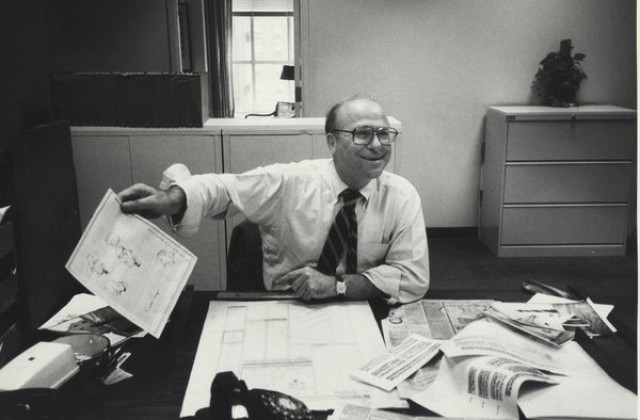
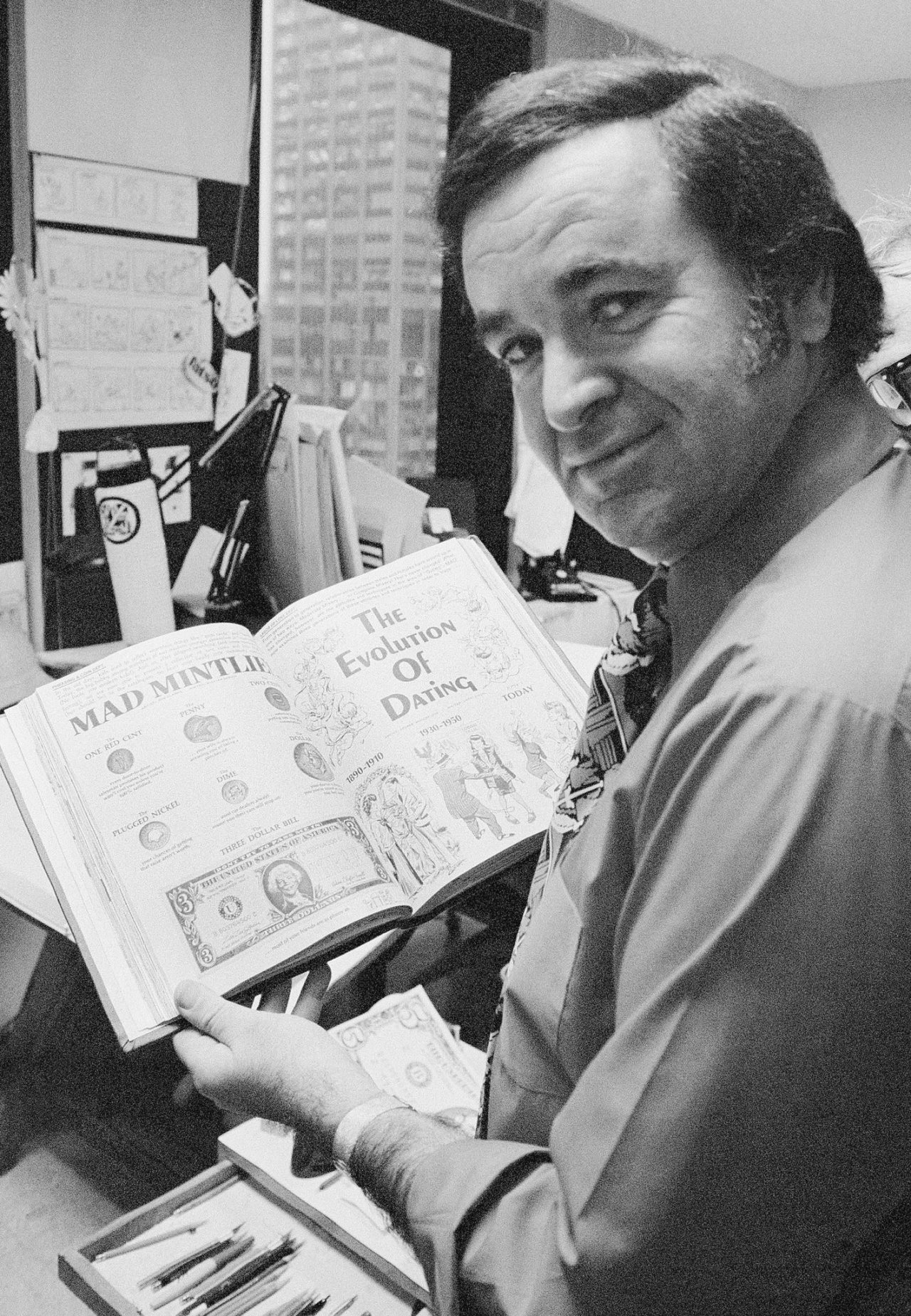
Al Feldstein, the Soul of Mad Magazine, Dies at 88

Posted by Ernie Smith • Permalink

Sep152013t

This is a real obituary. A really harsh one. The date is mistaken (which led to a brief takedown of the…

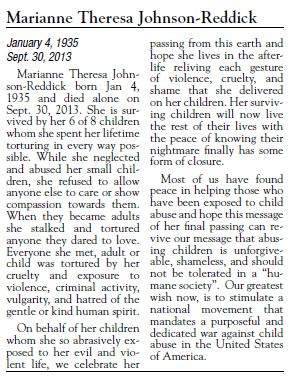
This is a real obituary. A really harsh one. The date is mistaken (which led to a brief takedown of the text), but the text itself, as well as the person who died, were real. The Reno Gazette-Journal, realizing it had a powerful piece of text sitting in its paid obituaries section, did an interview with the woman who wrote this about her own mother. Katherine Reddick, describing the challenging life they faced, had this to say: “The things she did to us were horrible. But it’s still happening to kids every day.”

Posted by Ernie Smith • Permalink

Mar162013t

He despised phonies, his 1969 Volvo (which he also loved), know-it-all Yankees, Southerners who used the…

He despised phonies, his 1969 Volvo (which he also loved), know-it-all Yankees, Southerners who used the words “veranda” and “porte cochere” to put on airs, eating grape leaves, Law and Order (all franchises), cats, and Martha Stewart. In reverse order. He particularly hated Day Light Saving Time, which he referred to as The Devil’s Time. It is not lost on his family that he died the very day that he would have had to spring his clock forward. This can only be viewed as his final protest.

— Harry Stamps Obituary | Sun Herald

apsies: The obituary by which all other obituaries should be judged. Read the entire thing. It’s worth it.

You heard her.

(via kateoplis)

When I die, I hope I have an obit 10% this good.

Posted by Ernie Smith • Permalink

Aug202012t

An Icon Passes

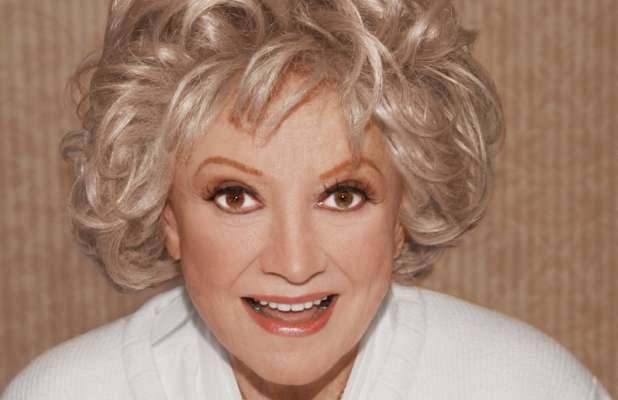
Actress and comedienne Phyllis Diller dies at 95

  • An Icon Passes: A spokesperson has confirmed that actress and comedienne Phyllis Diller has passed away in her Los Angeles home. According to Milton Suchin, her manager for many years, Phyllis “died peacefully in her sleep with a smile on her face." She is credited as one of the first successful female nightclub comedians, and also found success on a number of television shows during the 60’s, 70’s, and 80’s. Additionally, Diller was the 1992 recipient of the American Comedy Award for Lifetime Achievement. She is survived by her son and two daughters. (Photo via Ottawa Citizen) source

Posted by ShortFormBlog • Permalink

Jul312012t

After battling a variety

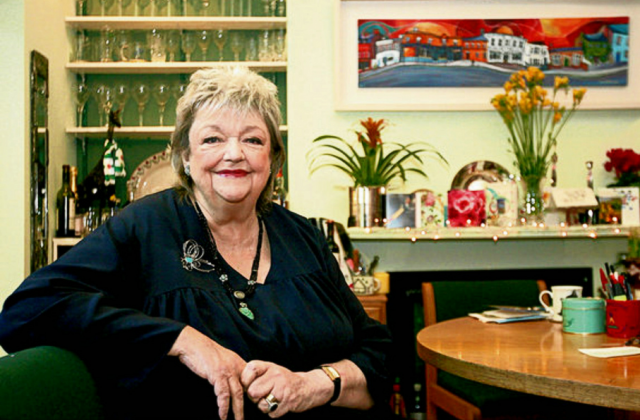
Maeve Binchy, author of ‘Light A Penny Candle’, dead at 72

  • After battling a variety of health issues over the past decade-plus, Irish author and playwright Maeve Binchy has passed away. Binchy first saw mainstream success with 'Light A Penny Candle’, which spent more than a year in top 10 charts, and went on to write seven books which appeared in a list of the top 100 novels by Irish authors. Her works appeared more often, and outsold, those of other noted Irish authors including William Butler Yeats and Oscar Wilde. (Photo via UggBoy/UggGirl) source

Posted by ShortFormBlog • Permalink

Mar202012t

This earless rabbit was supposed to be

This earless rabbit was supposed to be a German zoo’s main attraction. The problem is, Tiny Til drew press, specifically a photographer who … um, stepped on him and killed him. Let this be a lesson to photojournalists: Don’t kill your subjects, especially if they’re cute. (Photo by Uwe Meinhold/Associated Press)

Posted by ShortFormBlog • Permalink

Jan222012t

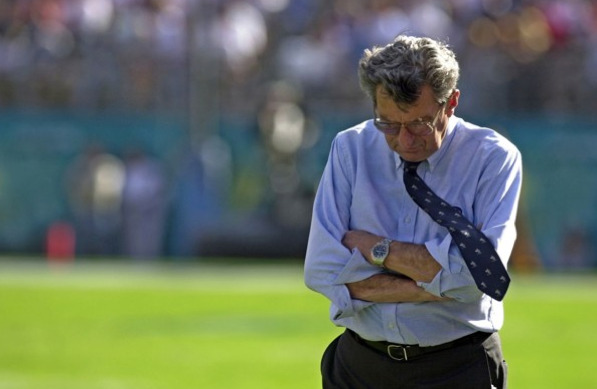
Joe Paterno

washingtonpoststyle:

Joe Paterno 1926-2012. Here is the first (and last) interview he did after scandal consumed his career.

Photos | Obituary | The case against Sandusky

Photo by Phelan Ebenhack (AP)

In case you haven’t read it, the Sally Jenkins interview he did just before his death was an attempt to clear his name (or at least clarify his role). He at least tried to get the last word in when he still could.

Posted by ShortFormBlog • Permalink

Dec22011W

Culture: RIP Louis Silverstein, the guy who gave The New York Times its shine

  • An unsung journalistic hero: Before Louis Silverstein, newspaper design was a trade, not a profession. With the many changes he made as art director of the Times in the 1960s and 1970s, he helped change that. White space? More ambitious typefaces? Larger fonts? Abstract illustrations? Those were all his doing. Many of the conventions that modern newspapers now take advantage of came (in part) from Silverstein's work. It took a lot of pushing, but Silverstein sold editors on these ideas. As a result, the Gray Lady is (and many other papers are) a lot less gray. And graphic design and news aren't separate entities. Silverstein died Thursday at 92. (Also worth a read:The Society for News Design has a lot of anecdotes about an important figure in visual journalism.) source

Posted by Ernie Smith • Permalink