Read a little. Learn a lot. • Now Mullenweg-free! • Since 2009
☰

Tag: new york times

247 posts

Oct 28 2012t

Just an update to our post from earlier

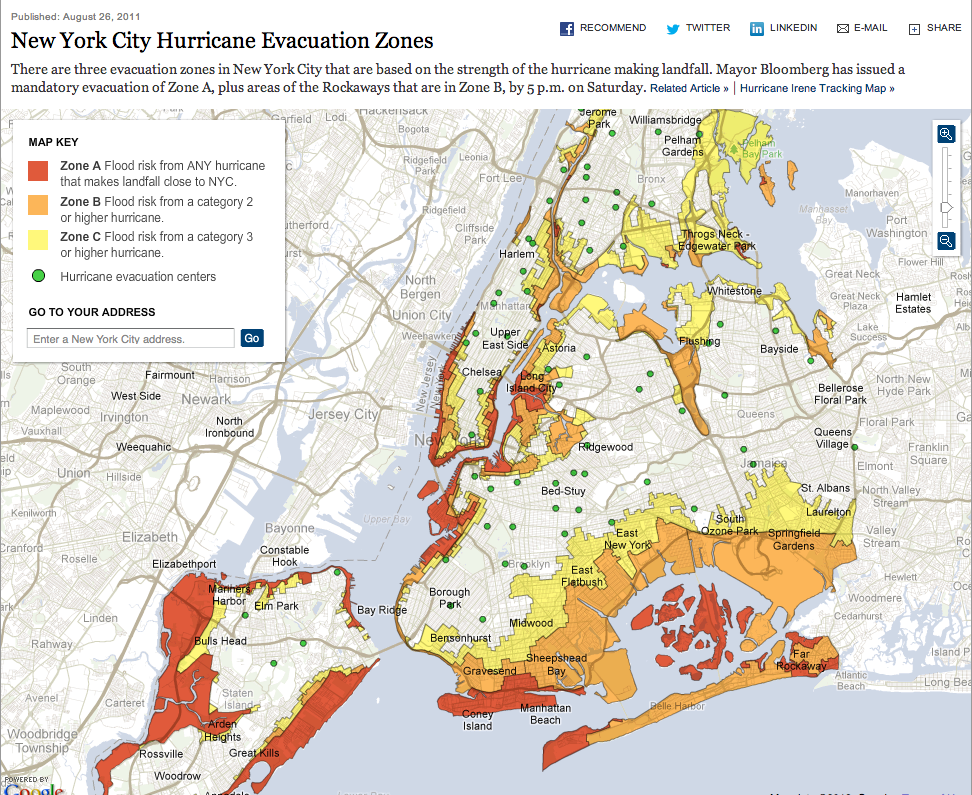
Just an update to our post from earlier: The New York Times has created a Google Maps mashup explaining the zone system being used in NYC. As this isn’t going to be as useful if the power goes out, we’re going to leave up the original PDF, which includes locations of shelters and precautions you should take, for purposes of printing out. But this should help. (thanks waterman12053 for the find)

Posted by Ernie Smith • Permalink

Oct 7 2012t

Smart read of the morning

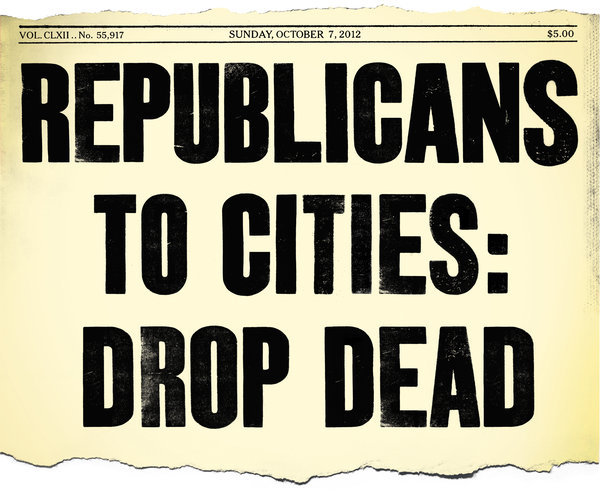
Smart read of the morning: Author Kevin Baker, writing for The New York Times, makes a broad claim that the GOP’s biggest problem is that they’re trying to build their base without the city, despite their growing influence on American culture. “In short,” he writes, “they promise to rip and tear at the immensely complex fabric of city life while sneering at the entire ‘urban vision of dense housing and government transit.’ There is a terrible arrogance here that has ramifications well beyond the Republicans’ electoral prospects.” Now, whether you agree with that sentiment, this article is nonetheless a pretty great read, backed up by decades of historic context (the image above harkening back to “Ford to City: Drop Dead”). Great food for thought.

Posted by Ernie Smith • Permalink

Oct 3 2012t

A note to Neil Genzlinger: Your Critic’s Notebook column about the overuse of the term “Really?” was so…

A note to Neil Genzlinger: Your Critic’s Notebook column about the overuse of the term “Really?” was so deeply vacuous that I couldn’t help but feel that you have stepped into my area of expertise.

— Jerry Seinfeld is really, really p.o.’d at the New York Times. (via entertainmentweekly)

Good thing he didn’t criticize “The Marriage Ref.”

Posted by Ernie Smith • Permalink

Sep 29 2012t

Former New York Times publisher Arthur O. Sulzberger,

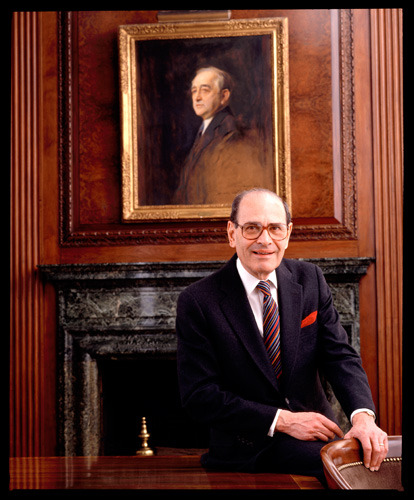
Former New York Times publisher Arthur O. Sulzberger, who led the paper as its publisher for 29 years (between 1963 and 1992), and was the company’s chairman until 1997, has died. He was 86 years old. To give you an idea of his impact on the paper: He introduced the paper’s incredibly popular (and widely-imitated) feature sections, and also played a role in the paper’s deciding to print the Pentagon Papers in 1971. During this period, the paper grew to be one of the largest and most-well-regarded in the world. An important journalistic figure who will be missed.

Posted by Ernie Smith • Permalink

Sep 22 2012t

“It was like pulling teeth to get information yesterday…a lot of senators were frustrated. And you pick up…

It was like pulling teeth to get information yesterday…a lot of senators were frustrated. And you pick up major newspapers in the country and you find details not shared with you.

— Senator Lindsey Graham • Voicing frustration within the Senate GOP caucus that the New York Times and the Wall Street Journal received more detailed briefing on the Libya attacks than did congress. Senator Bob Corker called it “the most useless, worthless briefing I have attended in a long time,” and John McCain accused the Obama administration of holding the Senate in “disdain.” The closed-door briefing in question presumably also included Senate Democrats, but none have made hay about it in the way Senate GOPers have.

Posted by Seth Millstein • Permalink

Aug 26 2012t

In his final column for the New York Times, departing Public Editor Arthur S. Brisbane discussed a number of…

I also noted two years ago that I had taken up the public editor duties believing “there is no conspiracy” and that The Times’s output was too vast and complex to be dictated by any Wizard of Oz-like individual or cabal. I still believe that, but also see that the hive on Eighth Avenue is powerfully shaped by a culture of like minds — a phenomenon, I believe, that is more easily recognized from without than from within.

When The Times covers a national presidential campaign, I have found that the lead editors and reporters are disciplined about enforcing fairness and balance, and usually succeed in doing so. Across the paper’s many departments, though, so many share a kind of political and cultural progressivism — for lack of a better term — that this worldview virtually bleeds through the fabric of The Times.

As a result, developments like the Occupy movement and gay marriage seem almost to erupt in The Times, overloved and undermanaged, more like causes than news subjects.

Jill Abramson, the editor of the paper, disagrees with this assessment. "In our newsroom we are always conscious that the way we view an issue in New York is not necessarily the way it is viewed in the rest of the country or world. I disagree with Mr. Brisbane’s sweeping conclusions,“ she told Politico.

Posted by ShortFormBlog • Permalink

Jul 29 2012t

Bottom

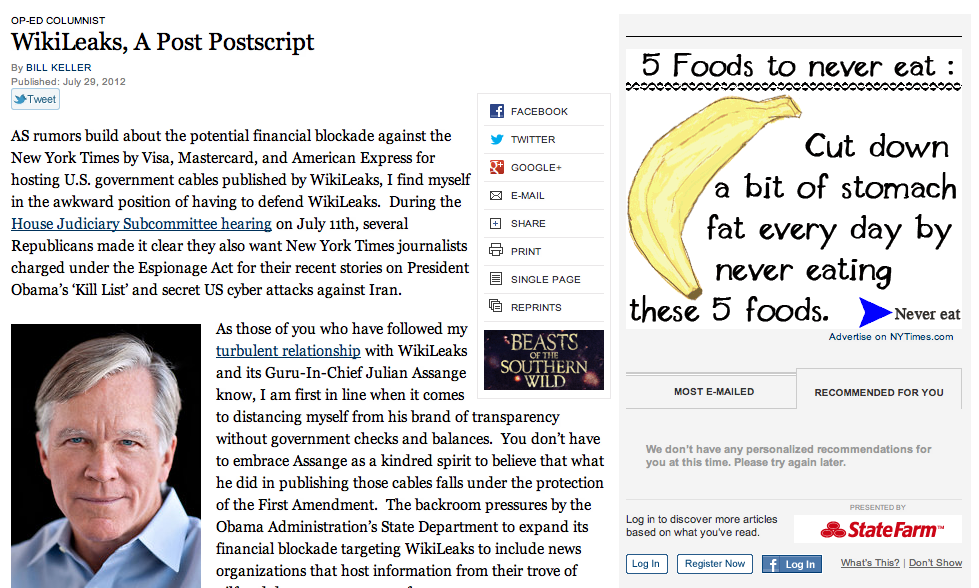
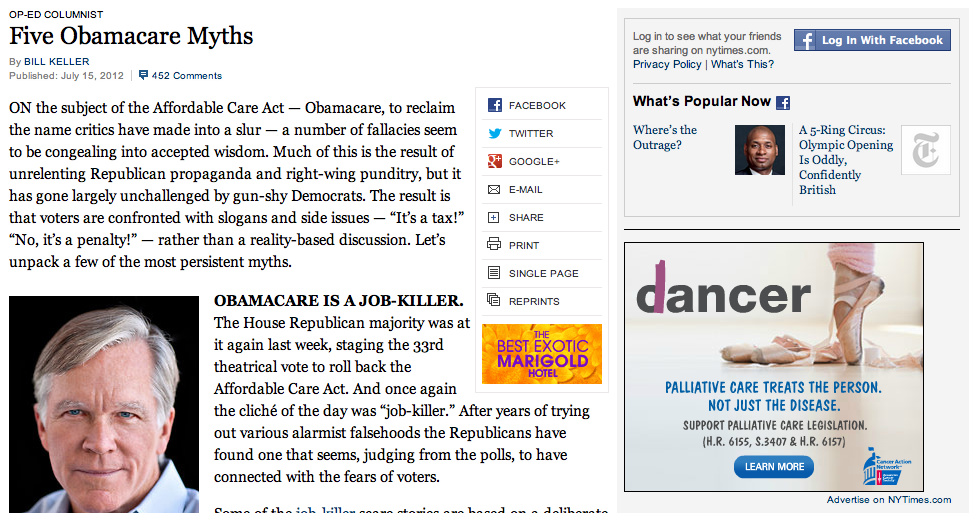
A game of what’s-the-difference: Two Bill Keller articles, one major difference

Top: A Bill Keller article about Wikileaks, suggesting that the Times’ financial mechanisms were being targeted by the State Department. It uses this line: “I find myself in the awkward position of having to defend WikiLeaks.”

Bottom: A recent Keller article about something else. Structurally, it looks almost exactly the same, except it doesn’t sport a wonky-looking Tweet button right below the byline. Hop to the jump to find out the big difference between the two.

What’s the difference? The top one is from a site called opinion-nytimes.com, which appears to exist for the sole purpose of pushing a fake column. The bottom is from the actual New York Times site. There was also a faked Paypal blog post on the matter, too. (Glenn Greenwald surveys the situation, and credits curators and bloggers for figuring it out.) Would you have noticed this were you not told?

Posted by ShortFormBlog • Permalink