Read a little. Learn a lot. • Now Mullenweg-free! • Since 2009
☰

Tag: new species

5 posts

Aug 15 2013t

Smithsonian Scientists Discover New Species of Mammal

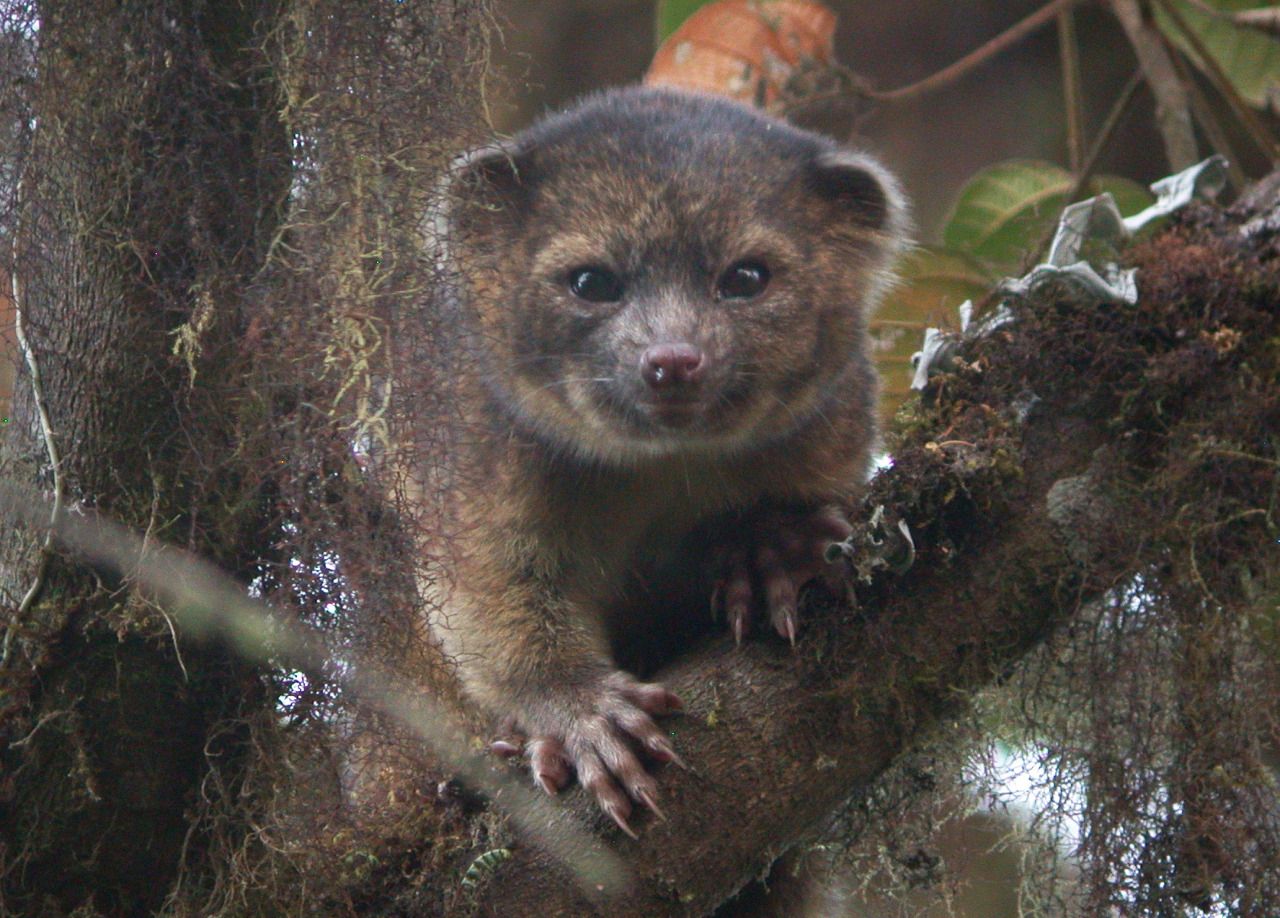
The olinguito is the newest member of the racoon family. Photo by Mark Gurney.

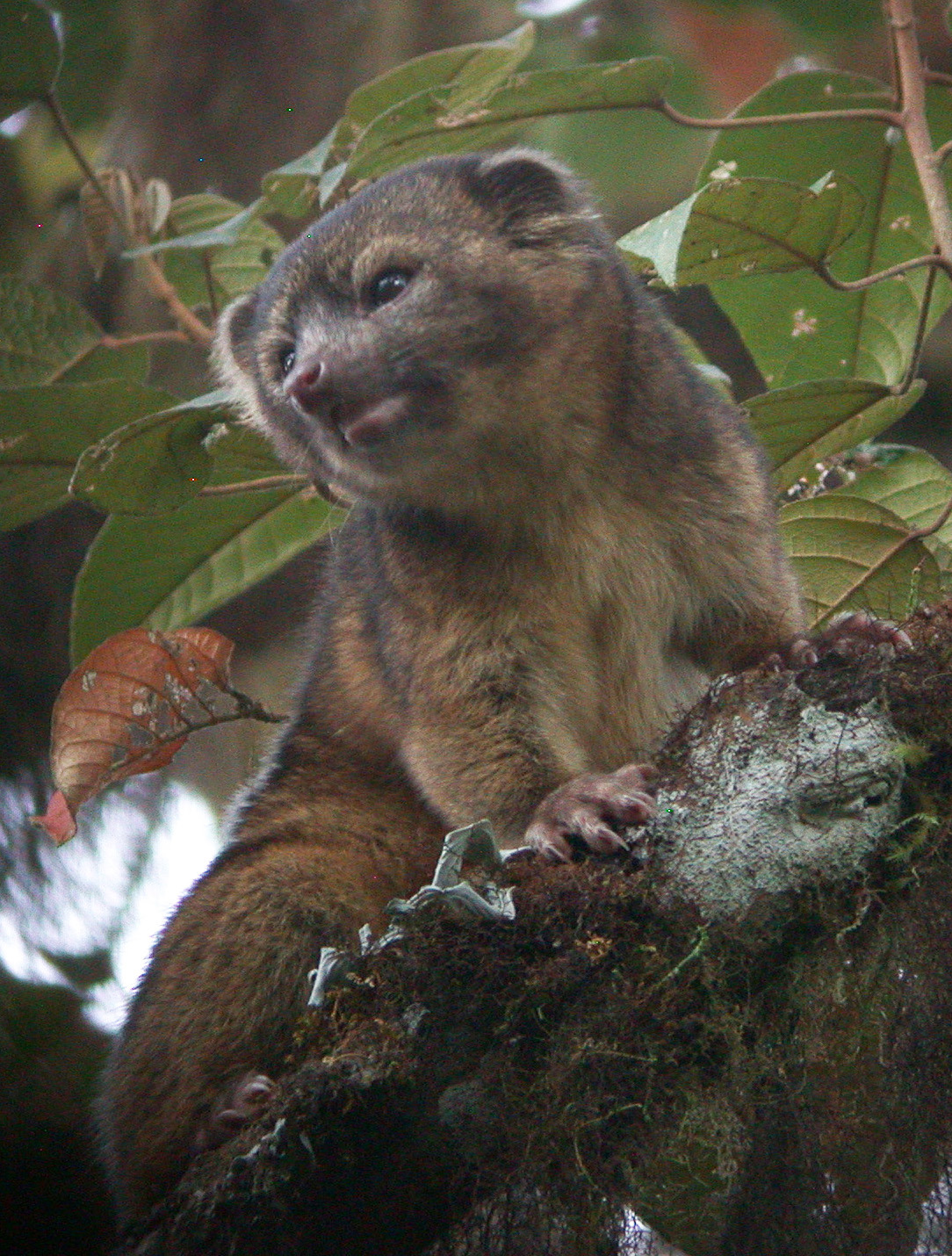
The olinguito is the newest member of the racoon family. Photo by Mark Gurney.

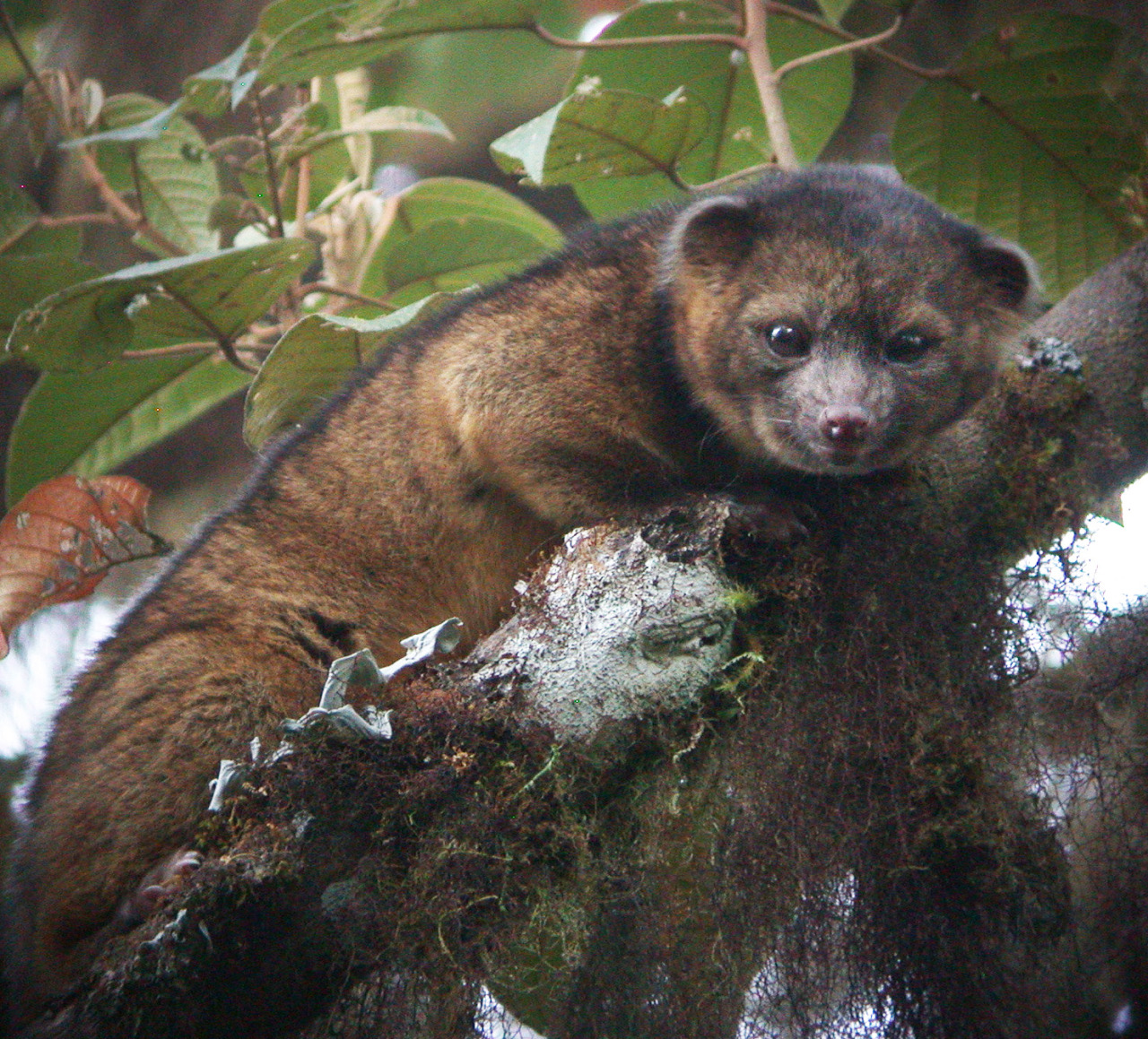
The olinguito is the newest member of the racoon family. Photo by Mark Gurney.

cheatsheet:

smithsonianmag:

Smithsonian Scientists Discover New Species of Mammal

By Joseph Stromberg

Photos © Mark Gurney

For all of modern history, a small, carnivorous South American mammal in the raccoon family has evaded the scientific community. Untold thousands of these red, furry creatures scampered through the trees of the Andean cloud forests, but they did so at night, hidden by dense fog. Nearly two dozen preserved samples—mostly skulls or furs— were mislabeled in museum collections across the United States. There’s even evidence that one individual lived in several American zoos during the 1960s—its keepers were mystified as to why it refused to breed with its peers.

Now, the discovery of the olinguito has solved the mystery. At an announcement today in Washington, D.C., Kristofer Helgen, curator of mammals at the Smithsonian National Museum of Natural History, presented anatomical and DNA evidence that establish the olinguito (pronounced oh-lin-GHEE-toe) as a living species distinct from other known olingos, carnivorous tree-dwelling mammals native to Central and South America. His team’s work, also published today in the journal ZooKeys, represents the first discovery of a new carnivorous mammal species in the American continents in more than three decades.

Read the full story at Smithsonian.com.

But how did it take this long?

I see that someone has registered @Olinguito on Twitter. I expect this person to make terrible jokes.

Posted by Ernie Smith • Permalink

Tags for this post

Sep 13 2012t

Guardian

breakingnews:

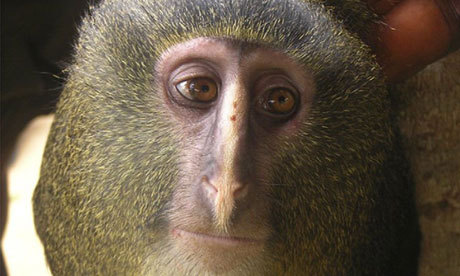
New monkey species identified in Democratic Republic of Congo Guardian:A new species of monkey has been identified in Africa in what is only the second time such a discovery has been made on the continent in 28 years. The finding is considered significant because the identification of mammals new to science is rare.

‘Lesula,’ as the monkey is known locally, has a naked face and mane of long blond hairs. Researchers say it is a shy and quiet creature that lives on the ground and in trees in a habitat of lowland rainforests.The animal’s diet consists of mostly fruit and vegetation.

Photo: A new species of monkey, known locally as the lesula. (Hart JA, Detwiler KM, Gilbert CC/PA)

Hey little buddy. Didn’t know you existed until now but wish we had.

Posted by Ernie Smith • Permalink

May 2 2012t

Scientists discover two-dozen new species of skink lizards

  • 24 new species of lizard discovered in the Caribbean islands
  • » Meet the skinks: Researchers have identified two-dozen hitherto unknown species of skink, a type of lizard. Unique to most lizards, the skink creates a placenta in the reproductive process, and carries its offspring in gestation for about a year. This leaves them vulnerable to the cruel whims of natural selection — perhaps no predator more lethal than the mongoose. So says lead researcher Blair Hedges, of Penn State University: “Our data show that the mongoose, which was introduced from India in 1872 and spread around the islands over the next three decades, has nearly exterminated this entire reptile fauna, which had gone largely unnoticed by scientists and conservationists until now.”

Posted by ShortFormBlog • Permalink

Nov 15 2011W

World: Two words you don't normally hear together: "Whale cemetery."

  • 15 whales found in a "graveyard": Over the span of 15 days, paleontologists have found the remains of 15 whales, in just one area of Chile. Some of the fossils date back seven million years. Not only that, but the scientists have also discovered new species, too. "The whale discovery is a discovery of global importance," said Sol Squire, one of the paleontologists on the project. source

Posted by Sami Main • Permalink