ShortFormBlog
I don’t follow sports much, but I can make a few guesses about what’s going to happen next.
There’s going to be some MASSIVE fighting against the law - I have to assume the NCAA and the colleges both in and out of California (who don’t want to give up any of that money because why would they) fought against this law tooth and nail, but now they’ll raise that fight to the courts. There is simply too much money to lose.
If the law stands, it’s going to make it damn near impossible for colleges outside of California to get athletes - Save for the weak in comparison love or respect for a college, the allure of a paycheck would be too great for most people. The other colleges and the NCAA in general are going to have to get on the bandwagon but fast.
You think the system is corrupt now? You’d almost think that not having to hide the money that’s (I have to assume) flowing around these kids would make things LESS corrupt - I suggest it’ll only take the cuffs off.
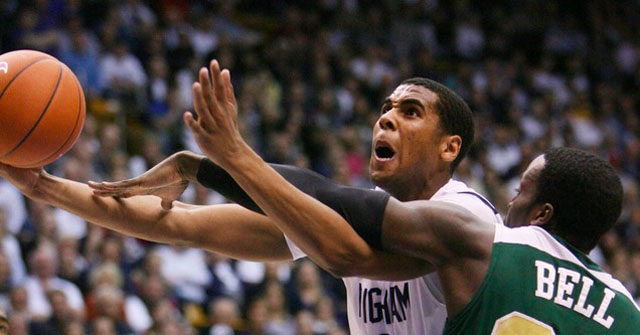
On the other hand, the issue with the existing status quo, which likely played a factor in the creation of the new law, is this: Currently, a college player can be the the biggest star in their given game, make millions of dollars for their school, gain legendary status on campus, but flame out as a pro with little to show for all their hard work. Then, a decade-plus later, their image might show up in a video game, long after their time in the sun, and receive nothing for that.
And that’s not a random set of circumstances, either. That is literally what happened to UCLA player Ed O’Bannon. He sued the NCAA over it and the NCAA lost big, but not big enough that it actually changed anything. This law basically gives O’Bannon the big win he fought for in federal court but the Supreme Court basically decided to punt on in 2016.
Name and image rights are the kind of thing that players—current and former—should be able to have ownership of, and not just because they’re kids in school. Instead, it’s because they won’t be able to capitalize on their status as an adult, either, decades after nearly all of the various arguments used against paying players for college sports become basically null and void.