 ShortFormBlog
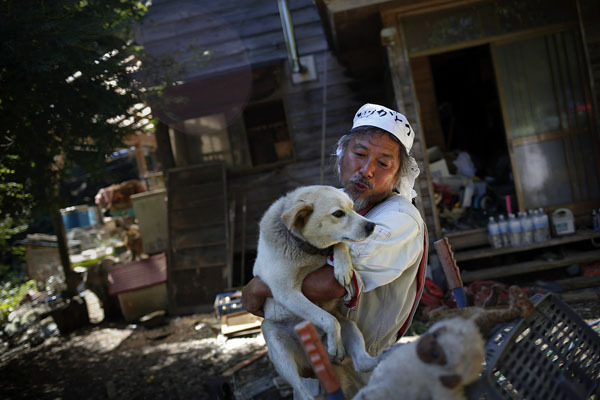
Shortly after the mandatory evacuation was announced on television, Fumio Okubo put on his best clothes and his daughter-in-law served up his favorite dinner. By morning, the 102-year-old was dead. He had hanged himself before dawn.
A rope knitted from plastic bags is certainly not a tanto knife. Nor was his death a dramatic one, with the public in attendance and blood all around but what an old farmer did that morning recalls the act of a samurai in ancient times – to die with honor. Okubo, who was born and lived his entire life between Iitate’s rice fields and cedar trees, wanted to die in his beautiful village, here and nowhere else.
For most people on Japan’s eastern coast – at least for those survivors who lost nobody and nothing – the true horror of the powerful earthquake and tsunami it triggered was over quickly. But for many unfortunate souls in otherwise prosperous Fukushima prefecture, March 11, 2011 was just the start of what for me is one of the most heart-rending stories I have ever covered outside the misery of the developing world.
Reuters photographer Damir Sagolj has posted a series of photos and observations from his recent time in Japan, speaking with former residents from Fukushima prefecture and the surrounding areas, to see what life is like for those forced to evacuate in the wake of the 2011 tsunami and nuclear meltdown.