shortformblog:
Really good comment
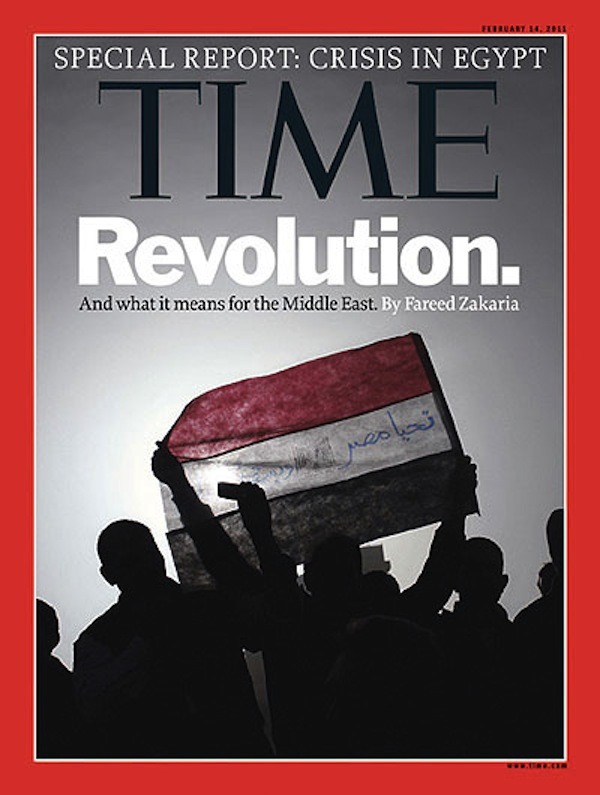
There’s a lot that theonlyplfrmat has going on with this post, but the key point that he’s drilling at is that Israel is playing a long-term ballgame, and Mubarak’s leadership, and the stability it encouraged, was a key part of said ballgame. (There’s an element of Obama playing both sides by encouraging the army to take over, but we’re going to see where that situation goes before passing judgment.) There are a lot of emotions at play with Egypt’s situation, but Israel doesn’t benefit from seeing any sort of change in leadership. There’s too much risk that it could go the wrong way and lead to the kind of tensions that saddled the nation for decades after its birth.
Again, all of this is fair, But the excitement that comes with young democracies needs to be emphasized. Where Egypt goes next, there are no clear signs. But the key thing is that a firm democracy will likely be put in, and, even if the military and folks like Omar Suleiman influence the overall direction, the opposition will likely have some role in shaping it. This shape is what Israel is afraid of. If it goes too far in the wrong direction, it could greatly hurt them. Or it may not. It’s an unknown entity.
The point I’d like to add to all of this is that this shouldn’t entirely be about what Israel gets. The main goal should be to benefit the entire region. Maybe it’s naive, but Israel has the kind of stable, secular democracy that the Egyptians and the Tunisians are attempting to work towards. Granted, Israel hasn’t exactly had the easiest of times in the region, but the more stable secular democracies, the better, right? In the long run, that’s how Israel gets lasting stability in the region – more radical, non-secular voices lose influence over the government and the democratic process. There are probably more guys like Wael Ghonim out there than hardcore Islamists.
Larry Derfner of the Jerusalem Post makes a pretty good point that hues most closely to my feeling on the matter, overall: “It’s fear that’s dictating the Israeli reaction. But there’s such a thing as too much fear. I think most people who know about Egypt, who are looking at Egypt and trying to be level-headed about it, are saying that Muslim Brotherhood is probably not going to take over Egypt, and that the movement in Egypt is dominated by democrats.”
Derfner says it’s about Egypt playing ball with the West, no matter what happens. And that’s the thing. The Brotherhood only cautiously supported the movement after it gained momentum, and they were the first to side with Suleiman an any sort of drawn-out transition movement (the one that was eventually pushed aside). It’s too early to tell what’s going to happen, but Israel’s fears may not even be warranted.
Whatever happens in the long-term, it’s best to keep a watchful eye and an open mind, in my opinion. Which is what I guess I’m suggesting Israel should be doing.
Thanks for the thoughtful response. Hopefully this one is nearly as thoughtful.
 ShortFormBlog