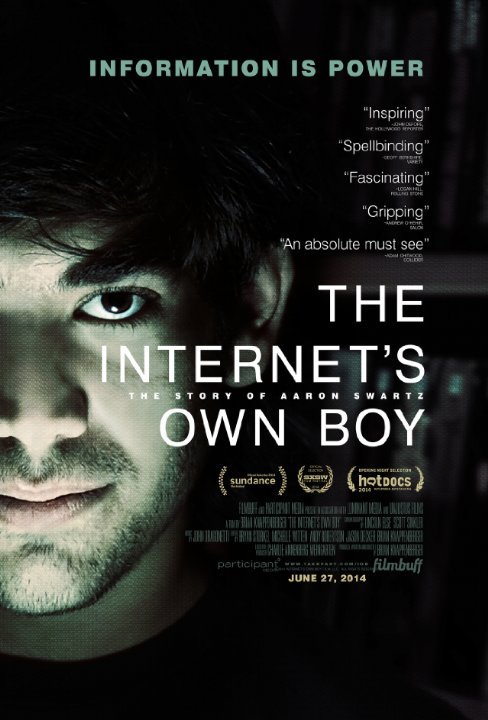
It’s on the Internet Archive, thanks to a Creative Commons license—a license that, by the way, Aaron Swartz helped build. You have no excuse to not watch this film. It’s an important story that deserves your attention.
 ShortFormBlogRead a little. Learn a lot. • Now Mullenweg-free! • Since 2009
6 posts
It’s on the Internet Archive, thanks to a Creative Commons license—a license that, by the way, Aaron Swartz helped build. You have no excuse to not watch this film. It’s an important story that deserves your attention.
Posted by Ernie Smith • Permalink
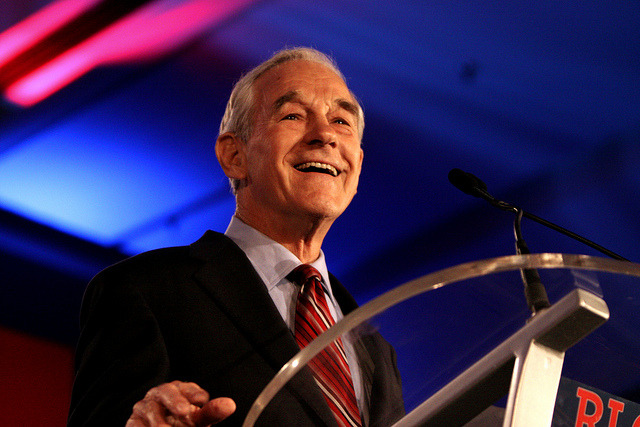
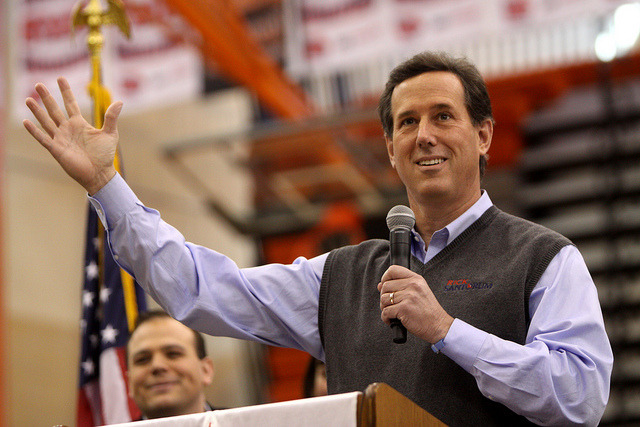
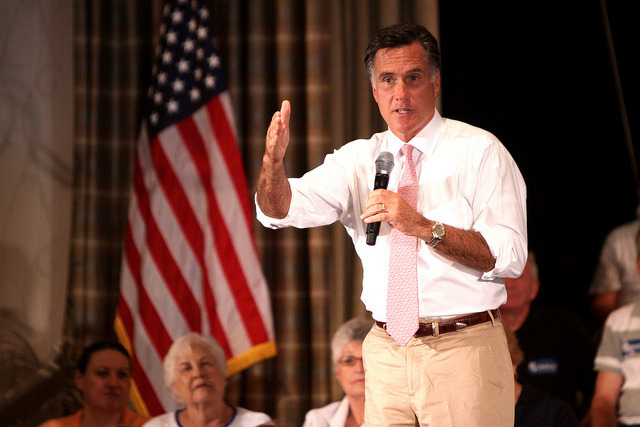
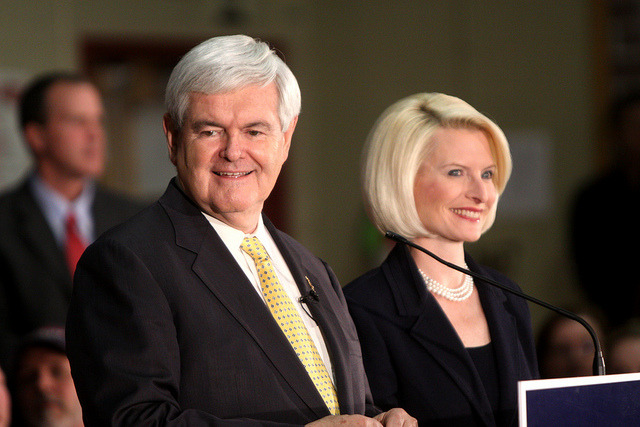
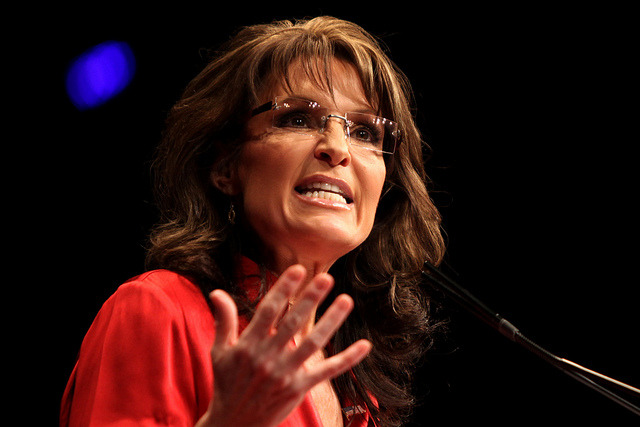
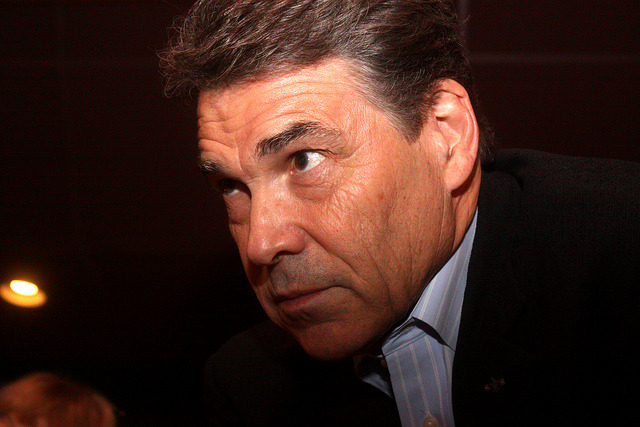
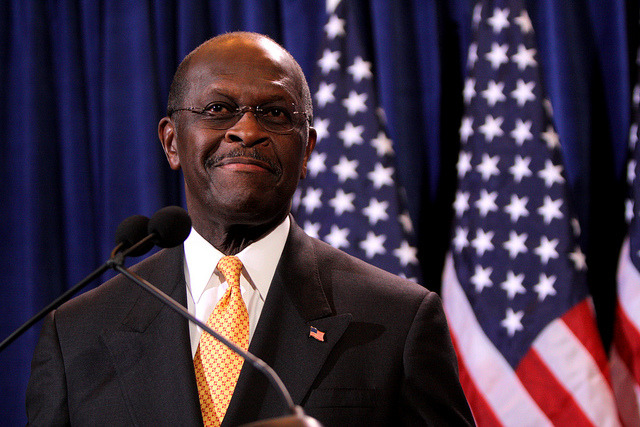
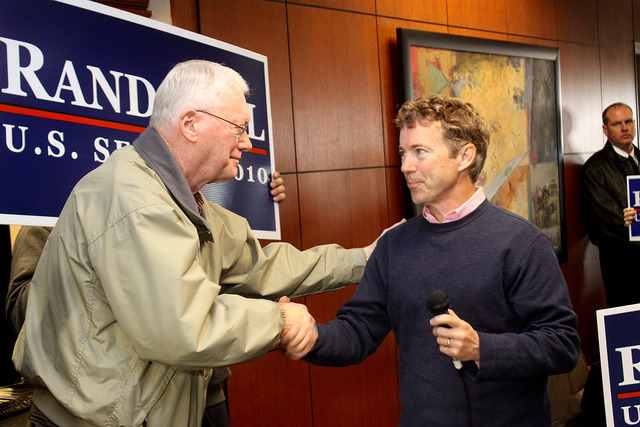
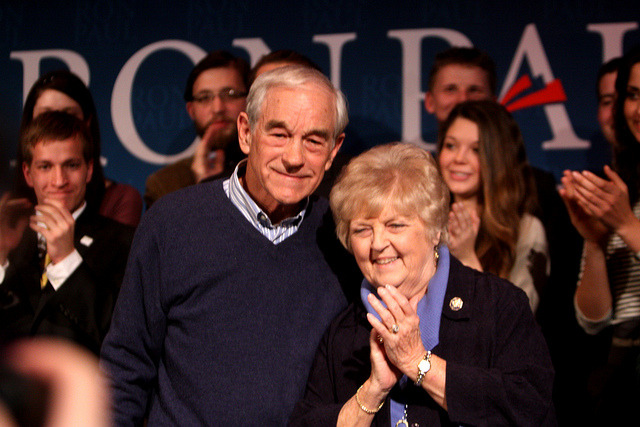
A sampling of some of Gage Skidmore’s photos, hand-picked by the photog. In case you missed it, earlier today we did a quick profile on the teenage photographer, who has kept Flickr awash in Creative Commons photos of GOP politicians — especially Ron and Rand Paul. Which one’s your favorite?
Posted by ShortFormBlog • Permalink
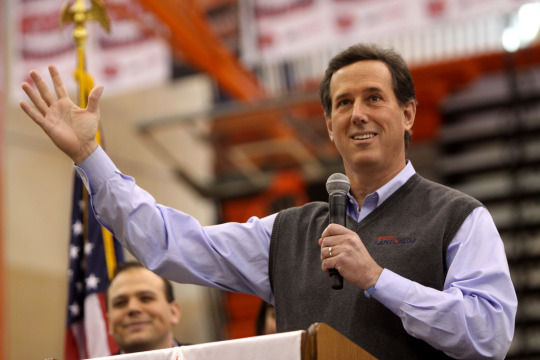
You don’t know him, but you’ve seen his work: The rise of Creative Commons has leveled the playing field for bloggers, giving many the opportunity to illustrate stories with free-to-use images that are at times comparable to wire photos. But the quality varies, and it’s rare to find someone sharing high-quality pictures consistently — but Gage Skidmore pulls it off. The 18-year-old photographer, who shoots celebrities and conservative politicians largely as a hobby, has uploaded nearly 9,000 photos to Flickr since early 2008, and thanks to favorable licensing, finds his photos of famous and important people in use all over the Web — including such sites as MSNBC, Fox News, The Atlantic and Mashable. What drives his work? Click on to see his take on the matter.
Gage Skidmore • Discussing why his freely offers his work to others under a Creative Commons license. The license he uses, Attribution-ShareAlike 2.0 Generic, allows for free use and adaptation of his work for all uses, including commercial. As a result, many of his images show up on Wikimedia Commons for use on Wikipedia. This does not preclude his getting paid for the work, however — in fact, he’s received compensation in the past from a number of publications, and Sen. Rand Paul himself paid to use one of Skidmore’s images in the senator’s 2011 book, “The Tea Party Goes to Washington.” Skidmore’s trips around the country and camera equipment upgrades have partly been paid for through the use of donations, some of which he’s asked for on sites such as Daily Paul.
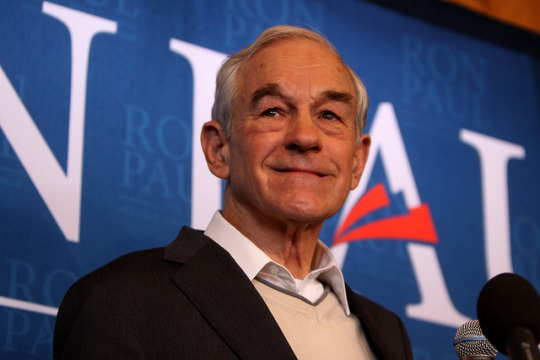
“Ron Paul, by far”: While Skidmore, beyond taking photos, largely doesn’t interact with his photo subjects (which recently included — when he took photos at WonderCon in Anaheim, Calif. — the cast and crew of “Community”), if he had to choose a favorite person to shoot, it’d be Ron Paul. “He is just such a kind hearted person who’s only intention is to spread the message of freedom throughout the country, which is a tough task at any age, but to be 76 and be as energetic and enthusiastic as he is is remarkable,” he says. “Even I can hardly keep up with him.” It helps, he says, that Paul always carries a smile on his face. “That makes my job much, much easier.”
Photo pass: Not needed. While Skidmore travels to a number of venues to get his photos, his process of actually getting the shots he needs once he’s at the events doesn’t sound particularly difficult — he says that most of the events he goes to are free to enter. “My advice to people looking to get into political photography is to simply dress professionally, and get the best photography equipment you can afford,” he suggests. “Then practice, practice, practice.” Skidmore may be known for his photography, but that doesn’t mean it’s a career choice — surprisingly, he dislikes taking photos. “My only enjoyment in photography is seeing my photos afterwards being received positively,” he says, saying that he enjoys the wide audience they receive as well as the people he meets as the result of his work. Our take: If he ever chooses to go pro, he could totally do it — and possibly charge a few bucks along the way. (photos by Gage Skidmore) source
Posted by ShortFormBlog • Permalink
This actually doesn’t change anything. It just formalizes an approach we’ve had all along and one most Tumblrs follow without even thinking about it. The license we’re using, “Attribution-NonCommercial 3.0 Unported,” alllows users to share and reuse the content we write whereever, as long as you give us credit and don’t use it commercially without contacting us first. Simple enough. We just don’t think we can make the point we just made without practicing what we preach. (One note: The design of our site is custom-built and we’d rather keep that in-house. So that isn’t a part of this.)
Posted by ShortFormBlog • Permalink
Posted by Ernie Smith • Permalink
Posted by Ernie Smith • Permalink