- 2 million sold in just 60 days; they're totally just showing off source
May 31 2010W
Tech: Apple's iPads are selling like flat glass and aluminum hotcakes
Posted by Ernie Smith • Permalink
 ShortFormBlogRead a little. Learn a lot. • Now Mullenweg-free! • Since 2009
669 posts
Posted by Ernie Smith • Permalink
 It was the first truly social music service. While Lala took a little while to get its footing, when it finally did, it was nothing short of magical. With Apple's purchase of the service back in December, we knew this day was coming, but May 31st will still be a sad day for a lot of music fans like us. Here are some reasons we'll miss Lala but will remain hopeful about its future as part of iTunes.
Lala CEO Bill Nguyen • About the benefits of the cloud music service to record companies. They were able to sell the model to them on the idea that they could provide information that might encourage future purchases. One thing that Nguyen noted is that when people were billed by the service, they bought one out of every five songs, most of which they found through discovery. On Lala, people weren't simply listening to their collections. They were trying to find new songs. The model worked for eMusic already, but they broadened it. source
Embedded media from static.hootsuite.com is no longer available.
Posted by Ernie Smith • Permalink
Posted by Ernie Smith • Permalink
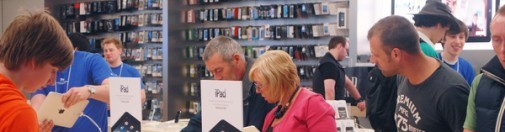
Sales to other countries were held off due to high U.S. demand, so now you jerks in Scotland will know how we felt when we ganked one two months ago. source
Posted by Ernie Smith • Permalink
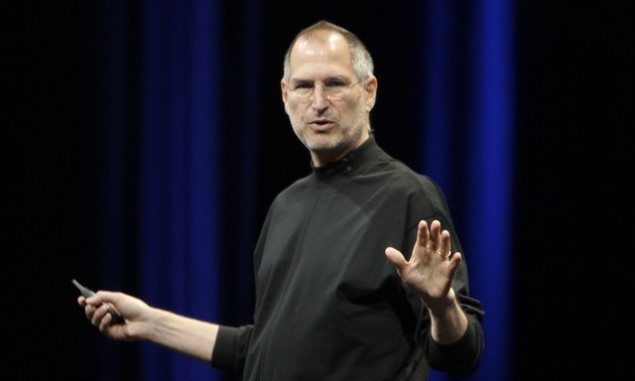
Posted by Ernie Smith • Permalink
Posted by Ernie Smith • Permalink
Posted by Ernie Smith • Permalink
"Daring Fireball" blogger John Gruber • Regarding Microsoft's also-ran status in the phone market. Gruber argues that MS's entire model hinges on the idea that they'll monopolize the smartphone market, and since they're far behind Apple and Google already, they don't have a chance of succeeding. Gruber does say, however, that Google and Apple's competition in the space is healthy and Google has some definite advantages over Apple right now. Hilariously, he also compares the iPad to a teenager that shouldn't need its parents, but does. source
Posted by Ernie Smith • Permalink

The Apple exec who decided to get rid of these always-funny commercials should be fired. Unless it was Steve Jobs. Then he shouldn't be. source
Posted by Ernie Smith • Permalink
Posted by Ernie Smith • Permalink